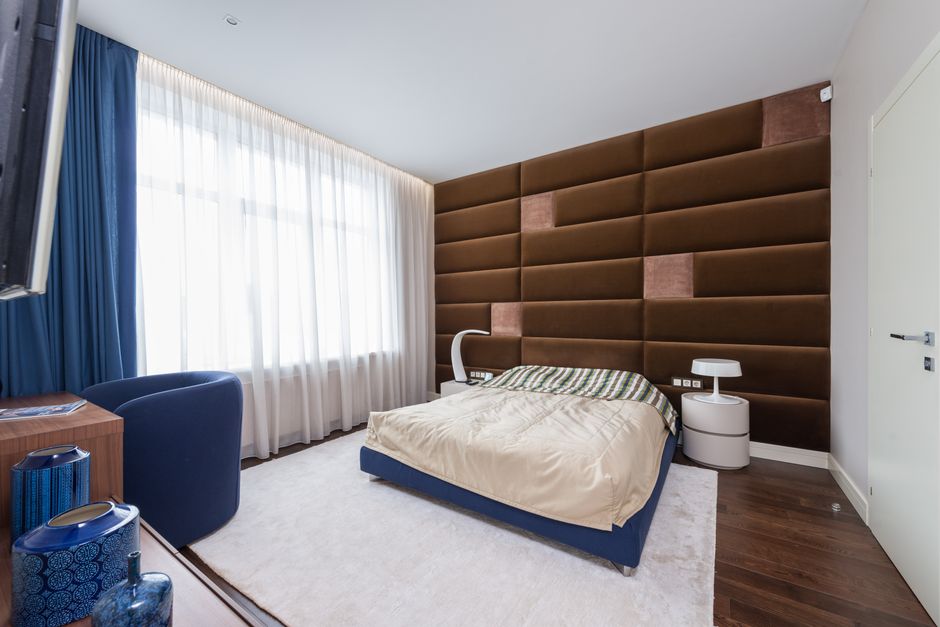
Living in an apartment means sharing walls, ceilings, and floors with neighbors who may have very different schedules than you do. Whether it’s a upstairs neighbor who sounds like they’re training for a marathon at 11 PM, street traffic bleeding through thin windows, or a roommate who watches TV at full volume, noise is one of the most common — and most frustrating — quality-of-life problems renters face. The good news? You don’t need to own your home, hire a contractor, or spend thousands of dollars to make a real difference. This guide walks you through the most effective, budget-friendly ways to soundproof an apartment bedroom without violating your lease or leaving permanent damage behind.
Understanding the Basics: What Kind of Noise Are You Dealing With?
Before you start throwing money at foam panels and door sweeps, it helps to know what type of noise you’re fighting. There are two main categories:
- Airborne noise — sound that travels through the air, like voices, music, and TV. This type enters through gaps, thin walls, and windows.
- Impact noise — vibrations caused by physical contact, like footsteps, dropped objects, or furniture dragging across the floor above you. This travels through the structure of the building itself.
Most apartment dwellers deal with a mix of both. The strategies below address each type, so read through the full guide before deciding where to focus your budget first.
Start With the Biggest Culprits: Walls and Windows
Add Mass to Your Walls
Sound travels more easily through lightweight, thin materials. Adding mass to your walls — without drilling studs or making permanent changes — is one of the highest-impact things you can do. The key is density.
Trademark Soundproofing Mass Loaded Vinyl is one of the most versatile tools in a renter’s soundproofing toolkit. MLV is a dense, flexible material that can be hung on walls using removable adhesive strips or a tension rod system, draped behind bookshelves, or even placed behind large furniture pieces pushed against shared walls. It’s not the most glamorous solution on its own, but layered behind something decorative, it adds serious sound-blocking capability without a single nail hole that will cost you your security deposit.
A practical approach: hang MLV on your most problematic shared wall, then place a large bookshelf filled with books directly in front of it. Books are surprisingly effective at absorbing and scattering sound, and you’ll get a double benefit from the combination.
Use Acoustic Panels That Actually Look Good
If you’ve ever seen acoustic foam wedge panels and thought they look like something out of a recording studio — that’s because they do. They’re highly functional, but not exactly bedroom décor material for most people. That said, they are genuinely effective at absorbing mid and high-frequency airborne sound, reducing echo, and making a room feel acoustically “quieter” even when they don’t block all external noise.
The GUERRI Acoustic Foam Wedge Panels 36-pack gives you a lot of coverage at a budget-friendly price point. At 36 panels per pack, you have enough material to cover a significant portion of one or two walls. Place them strategically on the wall your bed is closest to, or on the wall facing your loudest noise source. They mount with minimal adhesive and come down cleanly, making them a renter-safe option.
If you want something that genuinely elevates the look of your bedroom while doing real acoustic work, consider upgrading to a decorative solution. The Art3d Wood Slat Acoustic Panels in Walnut are a standout option. These panels feature a slatted wood design over an acoustic felt backer — they look like high-end wall décor but actually absorb sound effectively. They’re the kind of product that doubles as a focal point for your room while quietly doing the job you need done. If you’re going to invest in one product that serves double duty, this is it.
Address Your Windows
Windows are often the weakest point in an apartment’s sound barrier, especially if you’re on a busy street or lower floor. Here are budget-friendly options that work:
- Heavy blackout curtains: Look for curtains specifically labeled as “noise-reducing” or “thermal-insulated.” The thicker and denser, the better. Floor-to-ceiling curtains that extend beyond the window frame on both sides will perform significantly better than curtains that just cover the glass.
- Window inserts or secondary glazing: Slightly pricier but highly effective, these clear acrylic panels install inside your existing window frame using magnets or compression fit and create an air gap that blocks a significant amount of sound — with no permanent modification required.
- Weatherstripping and rope caulk: Often overlooked, gaps around window frames let in both drafts and sound. Removable rope caulk (the kind that peels off cleanly) is cheap, effective, and completely renter-safe.
Don’t Ignore the Door
A hollow-core interior door — which is what most apartments have — offers almost no sound resistance. Fixing this without replacing the door requires a two-part approach:
- Door sweeps: The gap at the bottom of a door is one of the biggest sound leaks in any room. An adhesive or screw-mount door sweep seals this gap and makes a noticeable difference, especially for voices and TV noise coming from hallways or other rooms.
- Door seals or gaskets: These foam or rubber strips line the door frame on all four sides, sealing the gaps when the door is closed. Combined with a door sweep, they can dramatically reduce how much sound slips through.
- A heavy curtain over the door: For shared walls or doors that open to noisy areas, hanging a heavy curtain rod over the door frame and draping a thick curtain across it adds another layer of mass and absorption.
Tackle the Floor and Ceiling
Dealing With Impact Noise From Above
If you’re on any floor except the top one, impact noise from upstairs neighbors can be relentless. Unfortunately, you can’t easily treat the source from below — but you can dampen how it affects your space.
- Area rugs with thick padding: A large, dense area rug with a quality rug pad underneath won’t stop impact noise entirely, but it will absorb some of the airborne component and reduce echo in your room, making the noise feel less intrusive.
- Acoustic ceiling tiles or hanging panels: If you have a drop ceiling (rare in apartments but not unheard of), replacing tiles with acoustic versions is a relatively easy upgrade. For standard drywall ceilings, hanging fabric panels or a canopy-style textile installation can add some absorption.
Reduce Echo and Reverberation in Your Room
Hard, bare surfaces — floors, walls, and ceilings — reflect sound and make a room feel louder. Soft furnishings absorb it. This is why a furnished bedroom always feels quieter than an empty one. Practical additions include:
- Upholstered headboards
- Fabric wall art or tapestries
- Bookshelves with books and objects
- Thick bedding and multiple pillows
- Upholstered chairs or benches
None of these are expensive, and combined with the more targeted solutions above, they contribute meaningfully to how quiet your bedroom feels.
White Noise: The Underrated Last Line of Defense
No soundproofing solution will completely eliminate all noise in an apartment setting. For the noise that remains — whether it’s the 3 AM street sweeper or your neighbor’s early alarm — a white noise machine or fan can mask residual sound effectively. This isn’t a physical soundproofing method, but it’s one of the most practical and affordable tools for improving sleep quality, and it works immediately with zero installation.
Prioritizing Your Budget: Where to Start
If you’re working with limited funds, tackle problems in this order:
- Seal gaps first — weatherstripping, door sweeps, and rope caulk cost almost nothing and often deliver the biggest return per dollar.
- Add mass to shared walls — MLV or a heavy bookshelf arrangement addresses your most direct noise source.
- Window treatment — heavy curtains or a window insert, depending on how severe your street noise is.
- Acoustic absorption — panels, rugs, and soft furnishings to reduce echo and improve overall acoustic comfort.
- White noise — affordable and immediately effective while you work through the rest of your plan.
Conclusion
Soundproofing an apartment bedroom on a budget is absolutely achievable — it just requires understanding where your noise is coming from and addressing it systematically. You’re not going to turn a thin-walled apartment into a recording studio, but you can make a genuine, noticeable improvement to your quality of life without spending a fortune or violating your lease. Start with the gaps, add mass where it counts, and layer in absorption and aesthetics as your budget allows. With the right combination of products and strategies, a quieter night’s sleep is closer than you think.
Frequently Asked Questions
Will acoustic foam panels actually block sound coming through walls?
Not exactly — acoustic foam panels are designed to absorb sound within a room, reducing echo and reverberation rather than blocking external noise from entering. They’re most effective at reducing the “live” feeling of a room and softening mid-to-high frequency sounds. For blocking noise from outside the room, you need mass-based solutions like mass loaded vinyl or heavy curtains.
Can I use these methods without violating my lease?
Most of the methods in this guide are designed to be renter-friendly. Removable adhesive strips, tension rods, free-standing bookshelves, and rope caulk leave no permanent damage. Always read your lease and check with your landlord if you’re unsure about any specific modification, but in general, these strategies avoid drilling, patching, and structural changes.
What’s the single most effective soundproofing upgrade for a bedroom?
It depends on your specific noise problem, but sealing gaps (door sweeps, weatherstripping, window caulk) combined with adding mass to your most problematic shared wall tends to give renters the best return on investment. If you have one noisy wall, treating it with MLV behind a bookshelf, plus acoustic panels, will make a substantial difference.
How much should I expect to spend on a basic bedroom soundproofing setup?
A practical starting setup — door sweep, weatherstripping, a pack of acoustic panels, and heavy curtains — can be put together for $100–$200. Adding MLV for a shared wall or upgrading to decorative wood acoustic panels will push the budget higher, but even at $300–$500 you can achieve meaningful results. The key is prioritizing based on your worst noise source first.
Affiliate Disclosure: This article contains affiliate links. If you make a purchase through these links, we may earn a small commission at no additional cost to you. This helps support Soundproofing Simplified and allows us to continue creating helpful guides. We only recommend products we genuinely believe will help.