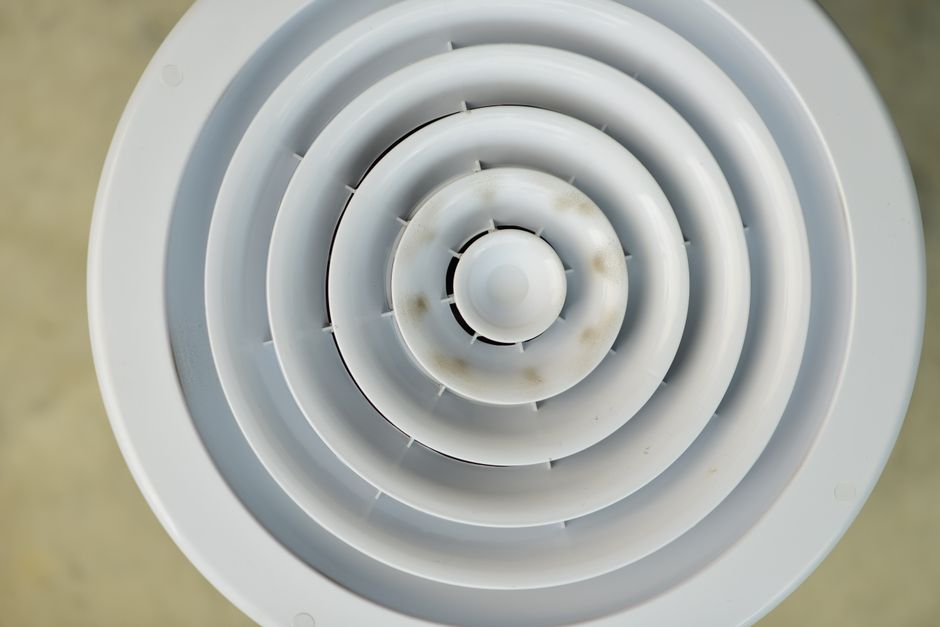
If you’ve ever tried to fall asleep while your HVAC system sounds like a wind tunnel running through your bedroom ceiling, you know exactly how maddening vent noise can be. Whether it’s a low hum, a rattling vibration, a whistling rush of air, or a booming echo coming through the ductwork, HVAC vent noise is one of the most common — and most overlooked — noise complaints in both apartments and homes. The good news? You don’t need to hire an HVAC technician for every fix. Many of the most effective solutions are DIY-friendly, renter-safe, and surprisingly affordable.
Why Are Your HVAC Vents So Noisy?
Before you start throwing money at solutions, it helps to understand what’s actually causing the noise. HVAC vent noise isn’t one-size-fits-all — it comes in several distinct types, and each has its own cause and fix.
Common Types of HVAC Vent Noise
- Airflow noise (whooshing/rushing): This is the most common complaint. It happens when air is being pushed through ducts or vents too forcefully, often because the system is oversized, the fan speed is too high, or vents are partially closed elsewhere in the home, forcing more air through fewer openings.
- Rattling and vibration: Loose vent covers, unsecured ductwork, or debris caught inside the vent can all cause rattling. This is especially common in older buildings and apartments where maintenance hasn’t kept up.
- Whistling: A whistling sound usually means air is being forced through a restriction — a partially closed damper, a clogged filter, or a vent cover that’s slightly misaligned.
- Booming or popping: That startling boom you hear when the HVAC kicks on is almost always thermal expansion — metal ducts expanding and contracting as air temperature changes.
- Noise transmission from other units: In apartments, sound can travel through shared ductwork from neighboring units. This is a different problem from airflow noise and requires a different approach.
Quick Fixes to Try First (Free or Nearly Free)
Before spending a dime, run through these basic checks. You’d be surprised how often a simple adjustment eliminates the noise entirely.
Check and Replace Your Air Filter
A clogged air filter forces your system to work harder, which increases fan speed and airflow pressure — both of which amplify vent noise. Check your filter first. If it’s been more than 60–90 days since you replaced it (or it looks gray and packed), swap it out. This is the single easiest and cheapest fix you can try, and it often makes a meaningful difference in noise level.
Open Closed Vents
Many people close vents in unused rooms thinking it saves energy. It doesn’t — and it actually increases pressure in the duct system, which creates more noise at every other vent in the home. Walk through your space and make sure all vents are fully open, even in rooms you rarely use.
Tighten and Secure the Vent Cover
Pull off your vent cover and check whether the screws are loose or the cover is warped. A rattling vent cover is almost always a loose fastener problem. Re-tighten the screws, and if the cover is bent or doesn’t sit flush, replacing it with a new one (they’re typically under $15) can eliminate the rattle instantly.
Check for Debris Inside the Duct
Shine a flashlight into the duct opening. Small objects — bottle caps, dust clumps, even toys in homes with kids — can get lodged in vents and create rattling or whistling. If you see something, fish it out with needle-nose pliers or a bent wire hanger.
How to Reduce Airflow Noise from Vents
If the basic fixes don’t cut it, you’re likely dealing with a systemic airflow pressure issue or a duct design problem. Here’s how to tackle those more stubborn situations.
Install a Vent Deflector or Diffuser
Vent deflectors redirect airflow away from walls and furniture, but they also slow the air down slightly as it exits the vent — which reduces that rushing whoosh sound. Adjustable deflectors are available at most hardware stores for $10–$25 and require zero tools to install. They’re completely renter-safe and removable.
Use Acoustic Lining Inside the Ductwork
For homeowners with accessible ductwork (typically in basements, attics, or crawl spaces), lining the inside of metal ducts with acoustic duct liner is one of the most effective ways to reduce both airflow noise and sound transmission. This is a more involved project but pays significant dividends, especially on long duct runs near bedrooms.
If your ducts are in the walls and not accessible, focus instead on treating the room around the vent — which brings us to the next section.
Wrap Exposed Ductwork with Mass Loaded Vinyl
For ducts that run through unfinished spaces like basements, utility closets, or attics, wrapping them with mass loaded vinyl (MLV) is a highly effective way to reduce vibration noise and sound transmission through the duct walls. MLV is dense, flexible, and easy to cut and wrap around duct sections. Trademark Soundproofing Mass Loaded Vinyl is a solid option here — it’s sold by the foot, works well on metal ductwork, and provides meaningful damping for both airflow noise and structural vibration. Wrap it around the duct and secure with tape or zip ties.
How to Reduce Noise Transmission Through Vents
This is the problem apartment dwellers know all too well: you can hear your neighbors through the ductwork. Sound travels easily through metal ducts because metal is a poor sound absorber and the duct acts like a speaking tube connecting units.
Install a Duct Silencer (Sound Baffle)
Duct silencers — also called duct sound baffles or attenuators — are insulated boxes or lined duct sections that interrupt sound traveling through ductwork while still allowing airflow. They’re installed in the duct run between the sound source and your living space. For renters, this may require landlord approval, but it’s worth asking about — especially if noise from a neighboring unit is genuinely disruptive.
Treat the Room Acoustically Near the Vent
If you can’t address the duct itself, you can reduce how much noise reaches your ears by improving the acoustic treatment of the room around the vent. Adding sound-absorbing materials near the vent opening helps capture and dissipate sound energy before it reaches you.
One of the most effective — and aesthetically appealing — ways to do this is with acoustic wall panels near the vent. Art3d Wood Slat Acoustic Panels in Walnut are a great option for living rooms, bedrooms, or home offices where you want real sound absorption without the industrial foam look. Mount them on the wall nearest the vent, and they’ll absorb a meaningful portion of the mid-to-high frequency noise coming through. They look like intentional interior design — not a soundproofing project.
For spaces where appearance matters less — home studios, utility rooms, media rooms — acoustic foam is a more cost-effective choice. The GUERRI Acoustic Foam Wedge Panels 36-pack gives you plenty of coverage to treat a full wall or ceiling section. Place panels on the ceiling directly above a loud vent, or on the wall the vent is mounted in, to reduce echo and sound scatter from the vent opening.
When to Call a Professional
Some HVAC noise problems genuinely do require professional attention. Know when to escalate:
- If the noise started suddenly after years of quiet operation, something has changed mechanically — possibly a failing blower motor, a loose fan blade, or a developing leak in the ductwork.
- If you hear metal-on-metal grinding or scraping sounds, turn the system off immediately and call an HVAC technician. This is a mechanical problem, not an acoustic one.
- If the system is dramatically undersized or oversized for your space, airflow noise will persist no matter what you treat acoustically. A load calculation from an HVAC professional can confirm whether a system mismatch is your root problem.
- If you’re a renter and the noise is severe, document it and formally request that your landlord address it in writing. Persistent HVAC noise from a defective system is a maintenance issue, not your responsibility to solve out of pocket.
Summary: Your HVAC Vent Noise Reduction Plan
- Start with the free fixes: change the filter, open all vents, tighten the vent cover, clear debris
- Address airflow pressure with a vent deflector or diffuser
- Wrap accessible ductwork with mass loaded vinyl to reduce vibration and transmission
- Treat the room acoustically with panels near noisy vents
- For neighbor noise through shared ducts, look into duct silencers or escalate to your landlord
- Call a professional for mechanical sounds or systemic airflow problems
HVAC vent noise is genuinely solvable in most cases — it just requires matching the right solution to the right problem. Work through this list methodically, and you’ll likely find your answer before spending much money at all.
Frequently Asked Questions
Can I soundproof an HVAC vent without blocking the airflow?
Yes. The goal is always to reduce noise transmission or absorption without restricting airflow — and that’s entirely possible. Acoustic duct lining, duct silencers, and room-level acoustic treatment all address noise without closing off airflow. Never block a vent completely, as this increases system pressure and can cause damage to your HVAC equipment over time.
Why does my vent make a popping or booming sound when the heat or AC kicks on?
This is almost always thermal expansion. Metal ducts expand when warm air enters them and contract when the system shuts off. The popping sound is the metal flexing. In most cases, this is harmless. If it bothers you, an HVAC technician can add expansion joints or switch some sections to flexible ductwork, which handles thermal movement more quietly.
Is vent noise the landlord’s responsibility to fix in an apartment?
It depends on the nature of the noise. If the noise is caused by a mechanical defect — a failing motor, damaged ductwork, or an improperly installed system — that’s a maintenance issue and the landlord’s responsibility. If the noise is simply inherent to how the system was designed (high airflow, shared ducts), you may have less recourse, though it’s always worth making a formal written request and documenting the problem.
Do acoustic foam panels actually help with vent noise?
Yes, but with an important caveat: acoustic foam reduces echo and reverberation in a room, which makes vent noise feel less harsh and intrusive. It doesn’t block sound at the source. If you’re dealing with transmitted sound through the duct, foam panels will take the edge off the noise reaching your ears — but for truly blocking sound transmission, you need mass-based solutions like mass loaded vinyl at the duct itself.
Affiliate Disclosure: This article contains affiliate links. If you make a purchase through these links, we may earn a small commission at no additional cost to you. This helps support Soundproofing Simplified and allows us to continue creating helpful guides. We only recommend products we genuinely believe will help.