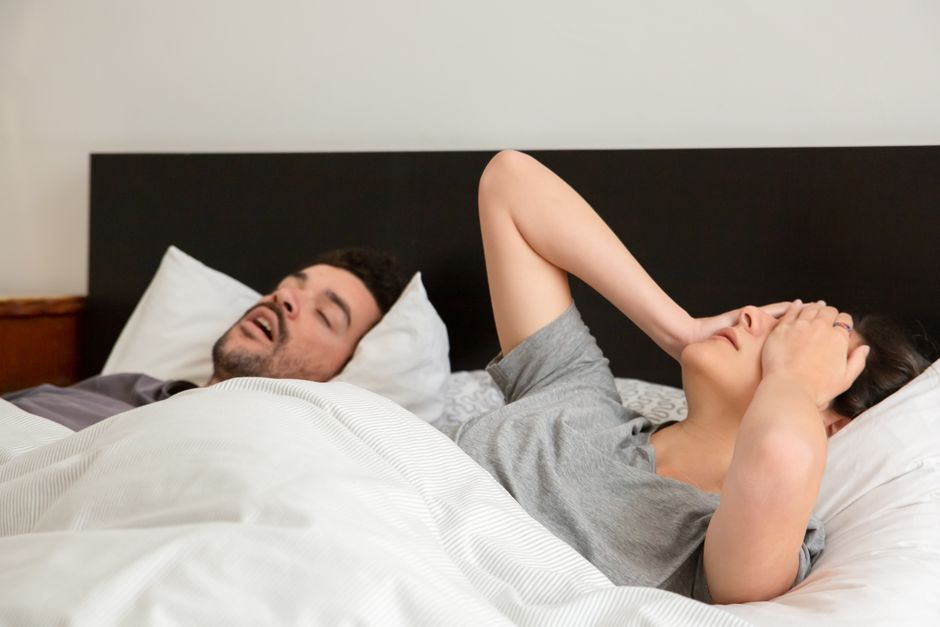
Living in an apartment means sharing walls, ceilings, and floors with neighbors who don’t always keep your sleep schedule in mind. Whether it’s a bass-heavy TV next door, footsteps overhead, street traffic, or a hallway full of late-night conversations, noise is one of the most common — and most frustrating — complaints among apartment dwellers. Earplugs help, but they’re uncomfortable for long-term use. Soundproofing your unit is often off-limits or too expensive. That’s where white noise machines come in. A quality white noise machine won’t eliminate the noise around you, but it will mask it well enough that your brain stops fixating on it — and you actually get some sleep. This guide breaks down the best options, what to look for, and how to use them effectively.
Why White Noise Works (The Quick Science)
White noise works through a principle called auditory masking. When consistent, broadband sound fills your environment, sudden or sharp noises — like a door slam or a barking dog — don’t create as dramatic a contrast against the background. Your brain registers less of a “spike,” so it doesn’t jolt you awake or keep you in that light, restless sleep stage.
It’s not about volume. A white noise machine doesn’t drown out your neighbors by being louder than them. It smooths out the sonic landscape so your nervous system isn’t on constant alert. This is especially useful for light sleepers or anyone sharing a bedroom with a partner who has different sleep habits.
What to Look for in a White Noise Machine for Apartments
Not all white noise machines are created equal. Here’s what actually matters when you’re choosing one for an apartment setting:
- Sound variety: True white noise is just one option. Many sleepers prefer pink noise, brown noise, or fan sounds. The more options, the better chance you’ll find your personal sweet spot.
- Volume range: You want a machine that gets loud enough to be effective but also has low settings for lighter sleepers or smaller rooms.
- Looping vs. continuous: Avoid machines with noticeable audio loops — your brain will pick up on the repetition and it becomes distracting. Look for machines that generate sound continuously or use very long, seamless loops.
- Size and form factor: For apartment living, compact is usually better. Plug-in models save nightstand space and eliminate the need to charge batteries.
- Timer and controls: Simple, intuitive controls matter at 2 AM. Timers are a nice bonus but not essential.
Best White Noise Machines for Noisy Apartments
1. LectroFan — Best Overall for Apartment Use
If you want one machine that delivers reliable, high-quality sound masking without any gimmicks, the LectroFan White Noise Machine is the gold standard. It offers 10 fan sounds and 10 variations of white, pink, and brown noise — all electronically generated, which means there are no looping audio clips to interrupt your sleep.
The volume range is impressive for such a compact unit, going loud enough to mask significant ambient noise without sounding harsh or tinny. Apartment dwellers particularly appreciate the brown noise setting, which has a deeper, more rumbling quality that does a better job covering low-frequency sounds like bass from a neighbor’s speakers or traffic from the street below.
The LectroFan plugs directly into a wall outlet, keeps a small footprint on the nightstand, and has straightforward controls you can operate half-asleep. It’s been a consistent bestseller in this category for years — and for good reason.
Best for: Anyone dealing with consistent neighbor noise, street traffic, or a loud hallway. Also great if you share a wall with a common area or laundry room.
2. Calm Me Plug-In White Noise Machine — Best Budget-Friendly Option
Not everyone needs a fully featured machine with twenty sound options. If you want something simple, compact, and effective without spending a lot, the Calm Me Plug-In White Noise Machine is worth a close look.
It plugs directly into the wall, making it ideal for apartments where outlet space is limited and you don’t want another device to charge. The plug-in form factor also makes it easy to use in multiple rooms — bedroom at night, home office during the day — without any setup hassle.
For apartment renters who are new to white noise and want to test whether it works for their situation before committing to a pricier unit, this is an excellent starting point. It’s also a solid choice for guest rooms, nurseries, or as a secondary unit if you want sound masking in more than one area of your apartment.
Best for: Renters on a budget, first-time white noise users, or anyone who needs a secondary machine for a different room.
3. A Box Fan (Honorable Mention)
Before spending any money, it’s worth mentioning that a basic box fan set to high can actually be a surprisingly effective white noise source. The mechanical, broadband sound it produces is similar to what dedicated machines try to replicate. The downside is size, electricity use, and the fact that it’s not adjustable in the same nuanced way. But if you already own one, try it before buying anything else.
How to Position Your White Noise Machine for Maximum Effect
The placement of your machine matters almost as much as the machine itself. Here are some practical placement tips for apartment living:
- Put it between you and the noise source. If your loudest neighbor is on the other side of the east wall, place the machine on the nightstand closest to that wall. This intercepts the noise before it reaches your ears.
- Don’t sleep with it right next to your head at high volume. Effective doesn’t mean blasting — keep it at a comfortable level (experts generally recommend under 65 dB) and position it a few feet away rather than inches from your ear.
- Try near the door for hallway noise. If it’s footsteps in the hallway or noise from common areas that’s the problem, placing the machine near your bedroom door creates a sound buffer at the entry point.
- Use multiple machines for open layouts. Studio apartments and open-plan spaces can benefit from a machine in the sleeping area and a secondary unit near the main source of exterior noise.
White Noise Machines Are Just One Layer — Here’s What Else Helps
A white noise machine is a powerful tool, but it works even better when combined with other noise-reduction strategies. The good news is that most of these don’t require landlord approval.
Acoustic Panels for Wall-to-Wall Noise
If you’re dealing with noise that seems to radiate from an entire wall — which is common in older apartment buildings with minimal insulation — adding some acoustic treatment can reduce echo and reverb inside your space, making your white noise machine more effective. The Art3d Wood Slat Acoustic Panels in Walnut are a popular option that actually look like intentional interior design rather than sound treatment. They’re renter-friendly and can be mounted without permanent damage to walls.
Keep in mind: acoustic panels absorb sound within a room — they don’t block sound from coming through walls. But by reducing the echo in your space, they help your white noise machine work more efficiently and make the overall acoustic environment more pleasant.
Other Low-Effort Noise Reduction Tips
- Hang heavy curtains: Thick curtains over windows help block street noise and reduce sound reflection inside the room.
- Add rugs: Bare floors amplify impact noise from above. A thick area rug with a dense pad underneath makes a noticeable difference.
- Seal door gaps: A door sweep under your bedroom door blocks hallway noise from bleeding in and makes your white noise machine significantly more effective at the volume you’re using it.
- Rearrange furniture: A bookcase full of books placed against a shared wall acts as a rudimentary sound barrier and is completely renter-friendly.
Finding Your Ideal Sound: White vs. Pink vs. Brown Noise
Many people assume “white noise” is a single thing, but the spectrum of masking sounds matters. Here’s a quick breakdown:
- White noise covers the full audible frequency range equally. It sounds like TV static or a strong air conditioner. Very effective but can sound harsh to some ears.
- Pink noise emphasizes lower frequencies slightly, creating a softer, more natural sound — similar to steady rainfall or a gentle stream. Many people find it more soothing for sleep.
- Brown noise (also called red noise) goes even deeper and lower, like a strong shower or distant thunder. It’s particularly good for masking bass-heavy sounds from neighbors with powerful speakers or subwoofers.
Most quality machines like the LectroFan offer all three, so you can experiment and find what works for your specific noise problem and personal comfort.
Conclusion
You don’t have to accept sleepless nights as part of apartment living. A good white noise machine is one of the most cost-effective, non-invasive tools available to anyone dealing with neighbor noise, street traffic, or thin walls. Whether you go with the feature-rich LectroFan for maximum control or the simple, affordable Calm Me Plug-In for a no-fuss solution, pairing a white noise machine with a few strategic room adjustments can genuinely transform your sleep quality. Start with placement, experiment with sound types, and layer in other solutions as needed. Rest is non-negotiable — and with the right approach, you can protect it even in a noisy building.
Frequently Asked Questions
Will a white noise machine completely block out my neighbors?
No — and it’s important to set realistic expectations. White noise machines work through auditory masking, not soundproofing. They won’t eliminate the sound of your neighbors, but they significantly reduce how disruptive those sounds are to your brain during sleep. For most people, this is enough to go from restless, interrupted sleep to solid, consistent rest.
Is it safe to sleep with a white noise machine running all night?
Yes, provided you keep the volume at a reasonable level. Most sleep researchers and audiologists suggest keeping ambient sleep sounds below 65 dB — roughly the volume of a normal conversation. At that level, running a white noise machine all night is considered safe for adults. Position it a few feet away from your head rather than directly beside your ear.
What’s the difference between a white noise machine and a sound machine?
A white noise machine specifically generates broadband masking sounds (white, pink, or brown noise, fan sounds, etc.) designed to cover other noises. A “sound machine” is a broader category that often includes nature sounds, music, or guided sleep content. For masking apartment noise specifically, a dedicated white noise machine with electronically generated sounds tends to outperform sound machines that play recorded audio on a loop.
Can I use a white noise app on my phone instead of buying a machine?
You can, and it’s a good way to test whether white noise works for you before investing in a dedicated device. However, dedicated machines have a few advantages: they don’t drain your phone battery, they don’t interrupt when you get notifications, they typically produce higher-quality sound, and they’re purpose-built to run all night without issues. If white noise becomes part of your regular sleep routine, a dedicated machine is worth the investment.
Affiliate Disclosure: This article contains affiliate links. If you make a purchase through these links, we may earn a small commission at no additional cost to you. This helps support Soundproofing Simplified and allows us to continue creating helpful guides. We only recommend products we genuinely believe will help.