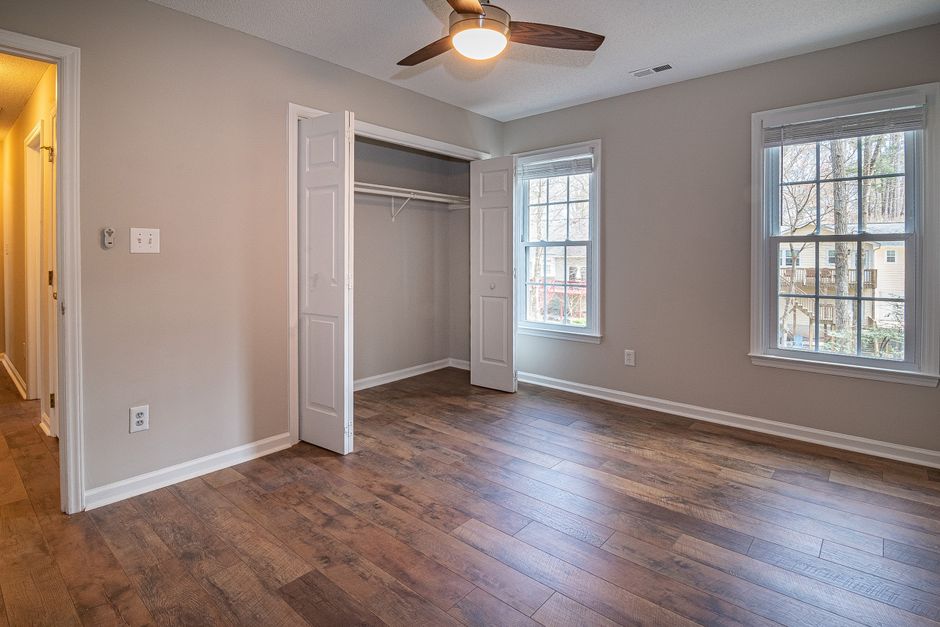
Living in a rental comes with a frustrating catch-22: you’re stuck dealing with noise from neighbors, street traffic, and paper-thin walls — but you can’t exactly start drilling holes and gluing things to surfaces without risking your security deposit. The good news is that effective soundproofing doesn’t require permanent modifications. Whether you’re in a studio apartment, a rented house, or a temporary living situation, there are real, practical solutions that work without leaving a mark. This guide walks you through exactly what to do, room by room and problem by problem.
Why Rental Soundproofing Is a Different Challenge
Most soundproofing advice online assumes you own your space. That means suggestions like adding drywall layers, installing resilient channels, or blowing insulation into walls — none of which are realistic if you want your deposit back. Renter-friendly soundproofing has to work within constraints: no permanent adhesives, no structural changes, and ideally nothing that leaves marks on walls, floors, or ceilings.
But here’s the thing: a significant portion of the noise problem in most rentals comes down to lack of mass, air gaps, and hard reflective surfaces. All three of these can be addressed without a single nail hole — or at least with only minimal, landlord-approved hanging.
Identify Your Noise Problem First
Before buying anything, spend five minutes diagnosing where your noise is actually coming from. This matters because the fix for airborne noise (voices, TV, traffic) is different from the fix for impact noise (footsteps overhead, bass from a subwoofer).
- Airborne noise: Sound traveling through the air and through walls, windows, and doors. Common sources include neighbors talking, street traffic, and barking dogs.
- Impact noise: Vibrations transmitted through building structures. Footsteps from the apartment above are the classic example.
- Flanking noise: Sound sneaking in through gaps, vents, electrical outlets, or shared ductwork — often underestimated.
Most rental noise problems involve a mix of all three. The solutions below target each category.
Walls: Add Mass Without Making a Mess
The single most effective thing you can do to a wall is add mass. Sound needs energy to vibrate heavy materials, so the heavier a wall is, the less sound passes through it. Since you can’t add drywall, you have to think creatively.
Acoustic Panels and Wall Art
Acoustic panels serve two purposes in a rental: they add a layer of sound-absorbing material to the wall, and they reduce reflections inside the room that make noise feel louder. Modern acoustic panels have come a long way from the ugly foam tiles of recording studios past.
If you want something that actually looks good on the wall, consider the Art3d Wood Slat Acoustic Panels in Walnut. These panels use a combination of wood slats and a felt backing to absorb mid and high-frequency sound, and they look like intentional interior design rather than a soundproofing hack. They can be hung using picture-hanging strips or minimal hardware, and they’re thick enough to add meaningful mass to an otherwise bare wall. For a shared wall with a noisy neighbor, covering as much surface area as possible with panels like these makes a measurable difference.
Mass Loaded Vinyl Behind Furniture and Panels
For walls where you need serious noise blocking — not just absorption — mass loaded vinyl (MLV) is one of the most effective materials available. It’s a dense, flexible sheeting material that blocks sound transmission. The challenge for renters is that MLV is most effective when it’s layered inside a wall cavity, but it can still do useful work when hung on the surface or tucked behind furniture.
One approach: hang Trademark Soundproofing Mass Loaded Vinyl on a shared wall using removable hooks or a tension rod system, then push a bookcase or large piece of furniture in front of it. The combination of the MLV’s mass and the furniture’s density creates a significant barrier without any permanent attachment. It’s not as effective as building it into the wall, but it’s one of the better options renters have for serious noise reduction.
Floors: Stop Impact Noise from Below and Above
If you’re dealing with noise from upstairs neighbors, unfortunately you can’t do much about the source — but you can reduce what transmits into your space from below your own feet, and you can prevent being the noise problem for whoever lives beneath you.
- Area rugs with thick pads: This is the simplest and most effective floor treatment. A large area rug covering 70-80% of your floor significantly reduces both impact transmission and room echo. Pair it with a dense rug pad for maximum effect.
- Interlocking foam floor tiles: In a home office, bedroom, or workout area, foam floor tiles add a decoupling layer between your activity and the subfloor. They’re completely removable and leave no residue.
- Furniture placement: Bookshelves, couches, and heavy furniture placed strategically help absorb and block sound paths from below.
Doors and Windows: Seal the Gaps
Most interior apartment doors are hollow-core, which means they’re essentially cardboard sandwiched between thin wood panels. They stop almost nothing. Even solid exterior doors often have significant air gaps at the bottom and sides that let in substantial noise.
Door Solutions
- Door sweep: Install a self-adhesive door sweep at the bottom of the door to seal the gap. This alone can noticeably reduce noise coming in from hallways.
- Weatherstripping: Apply foam or rubber weatherstripping around the door frame to close side gaps. Completely removable and costs under $15.
- Heavy curtain over the door: A floor-to-ceiling curtain hung over the door adds mass and absorption. This works especially well for interior apartment doors facing a noisy hallway.
Window Solutions
- Acoustic curtains: Heavy, dense curtains hung close to the window and extending to the floor reduce traffic noise meaningfully. Look for curtains with a thermal/blackout lining — the thicker the better.
- Window inserts: Removable acrylic or glass window inserts create an air gap between the existing window and the insert, which helps block sound. These are a bigger investment but are completely non-destructive.
- Rope caulk: For windows with gaps or drafts, rope caulk is a temporary, peelable sealant you can apply at the start of a noisy season and remove completely when you leave.
Ceilings: Dealing with Upstairs Neighbors
Ceiling treatment is one of the hardest problems for renters, because impact noise from above is transmitted structurally and is very difficult to block from below. That said, there are a few things you can do.
- Reduce room reflections: Adding acoustic panels or soft materials to walls and floors can make the noise feel less overwhelming, even if you can’t block it at the source.
- White noise masking: A quality white noise machine doesn’t block sound, but it raises your ambient noise floor enough that intermittent impact noises are less jarring.
- Talk to your landlord: If noise from upstairs is severe, your landlord may be able to require the upstairs tenant to add area rugs, which is often a lease requirement anyway.
Home Office and Bedroom: Reducing Room Echo
Sometimes the problem isn’t just noise coming in — it’s noise bouncing around inside your space. This is especially relevant for home offices where you’re on video calls, or bedrooms where every sound echoes off bare walls and hard floors.
Acoustic foam panels are the budget-friendly, highly effective solution for controlling room reflections. The GUERRI Acoustic Foam Wedge Panels 36-pack gives you enough coverage to treat a small to medium room. The wedge design provides good surface area for absorption, and the panels can be applied with removable adhesive strips rather than permanent glue — which matters a lot when you’re renting. Place them at first reflection points (the spots on the wall where sound from your speakers or mouth bounces directly to your ears) for the most impact with the fewest panels.
Quick Wins You Can Do This Weekend
If you want to take action right now without overthinking it, start here:
- Add a door sweep to your loudest door
- Hang heavy curtains over windows facing street noise
- Put a large area rug with a thick pad on your main living space floor
- Push a full bookcase against your shared wall with a neighbor
- Add soft furnishings — cushions, throws, upholstered furniture — to reduce room echo
None of these steps require tools, landlord permission, or more than a few hours. Combined, they can make a significant difference in how your apartment feels acoustically.
Conclusion
Soundproofing a rental is absolutely possible — it just requires a different toolkit than permanent solutions. The key principles are the same as any soundproofing project: add mass, seal gaps, absorb reflections, and decouple surfaces where possible. The products and techniques in this guide let you apply all four of those principles without touching your walls in any way that would affect your deposit. Start with the quick wins, then layer in more targeted solutions based on your specific noise problem. You don’t have to live with the noise just because you rent.
Frequently Asked Questions
Will acoustic panels actually reduce noise from my neighbor, or just room echo?
Primarily room echo, but it’s more complicated than that. Acoustic panels are designed to absorb sound energy inside a room, which reduces reflections and makes a space feel quieter. They don’t block sound transmission through walls the way mass-loaded vinyl or additional drywall would. However, covering a shared wall with dense acoustic panels does add some mass and absorption, which contributes a small amount of actual noise reduction. For the best results, use acoustic panels for echo control and pair them with heavier materials (like MLV or furniture) for actual noise blocking.
Can I use command strips or removable adhesive for everything?
For lighter panels and decorative acoustic tiles, yes — removable adhesive strips work well and leave no damage. For heavier materials like mass loaded vinyl or large wood slat panels, you’ll need to get creative: use tension systems, lean them against walls, or hang them from a curtain rod system. Always check the weight rating of any adhesive product and test in an inconspicuous spot first.
My biggest problem is my upstairs neighbor’s footsteps. What actually helps?
Impact noise from above is genuinely one of the hardest problems in rental soundproofing because you can’t treat it at the source. The most effective things you can do from below are: add thick rugs and soft furnishings to reduce room reflections (so the impacts feel less sharp), use a white noise machine to mask intermittent sounds, and if your lease allows it, talk to your landlord about requiring the upstairs tenant to add rugs. In extreme cases, some renters install a drop ceiling system with acoustic tiles — this is more involved but still reversible.
How much can I realistically expect to reduce noise in a rental?
Realistically, renter-friendly methods can reduce perceived noise by 30-50% in favorable conditions. That’s enough to make a meaningful quality-of-life difference, but it’s unlikely to make a loud urban apartment feel like a recording studio. The biggest gains come from sealing gaps (doors and windows) and adding mass to the loudest walls. Combining multiple methods — sealing, mass, absorption, and masking — produces results that any single solution can’t achieve alone.
Affiliate Disclosure: This article contains affiliate links. If you make a purchase through these links, we may earn a small commission at no additional cost to you. This helps support Soundproofing Simplified and allows us to continue creating helpful guides. We only recommend products we genuinely believe will help.