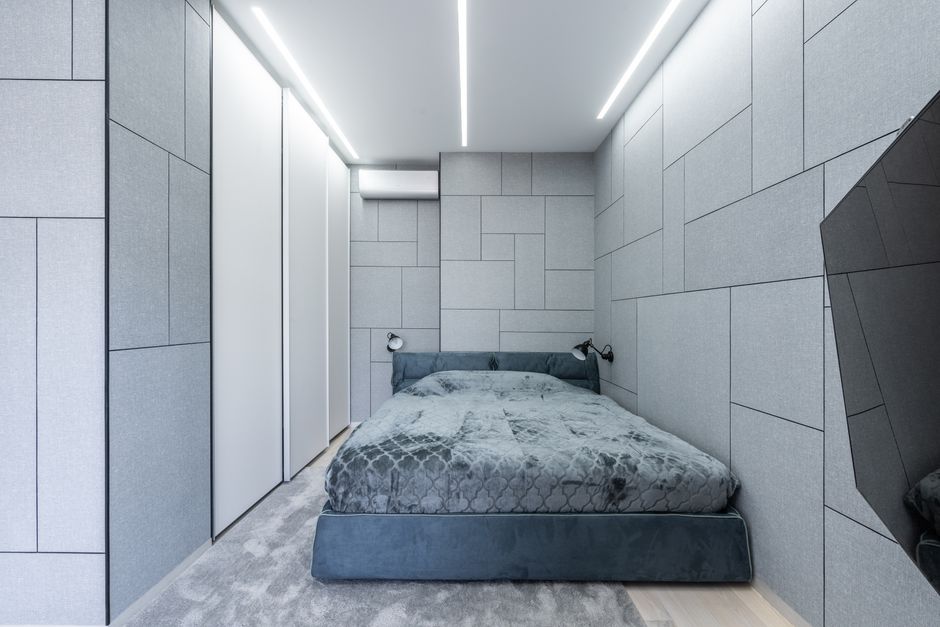
If you’ve ever clapped your hands in an empty room and heard that hollow, reverberating slap bounce back at you, you already know what echo feels like. But when it’s your living room, home office, or bedroom doing it — during video calls, music sessions, or just everyday conversation — it stops being interesting and starts being genuinely annoying. The good news is that reducing echo in a room doesn’t require a construction crew or a massive budget. Whether you’re a renter who can’t drill into walls or a homeowner ready to go all-in, this guide breaks down exactly what causes echo, why it matters, and how to fix it with practical, real-world solutions.
What Causes Echo in a Room?
Before you can fix the problem, it helps to understand what’s creating it. Echo — or more accurately, reverberation — happens when sound waves bounce off hard, flat surfaces and reflect back to your ears after a slight delay. The more hard surfaces a room has, the longer and louder that echo becomes.
The biggest culprits in most homes and apartments are:
- Bare walls — Painted drywall and plaster reflect sound with almost no absorption
- Hardwood or tile floors — Smooth, hard floors send sound bouncing in every direction
- High or flat ceilings — Especially common in modern open-plan apartments
- Large windows — Glass is one of the most reflective surfaces in any room
- Minimal furniture — Empty or sparsely furnished rooms have nothing to absorb sound energy
The solution in every case is the same: introduce materials that absorb sound energy rather than bouncing it around. Let’s get into how to do that room by room, surface by surface.
Start With the Walls: Your Biggest Opportunity
Walls make up the majority of surface area in any room, which means they’re also your biggest opportunity for reducing echo. Bare walls are essentially giant mirrors for sound. The fix is to cover them — strategically — with absorptive material.
Acoustic Panels: The Most Effective Wall Treatment
Acoustic panels are designed specifically to absorb sound, and they’ve come a long way aesthetically. You no longer have to choose between a room that looks like a recording studio and one that sounds like a cave. If you want something that works and looks good, the Art3d Wood Slat Acoustic Panels in Walnut are an excellent option. These wall-mounted panels feature a natural wood slat design with acoustic felt backing that absorbs mid and high-frequency sound — exactly the range where echo is most noticeable in conversation and music. They work great in living rooms, home offices, and bedrooms, and because they mount flush to the wall, they’re a clean, non-destructive solution that most landlords won’t object to.
When placing acoustic panels, don’t just cover one wall. Spread them around the room — ideally on opposing walls and anywhere sound is likely to reflect. A general rule of thumb is to cover about 25–35% of your wall surface for noticeable improvement in a typical room.
Bookshelves and Wall Art
If acoustic panels aren’t in your budget yet, filled bookshelves are surprisingly effective. Books have irregular surfaces and absorb a decent amount of sound. Wall hangings, tapestries, thick fabric art, and even large canvas prints all help break up sound reflections. These aren’t as effective as purpose-built panels, but they make a real difference in combination with other treatments.
Tackle the Floor: Rugs Are Non-Negotiable
If you have hardwood, laminate, or tile floors and you’re dealing with echo, adding a large area rug is one of the single most impactful things you can do — and it costs relatively little. The key word is large. A small decorative rug in the corner of a room won’t cut it. You want a rug that covers a significant portion of the floor, ideally with a thick pile and a dense rug pad underneath.
Look for rugs labeled as “high-pile” or “shag” for maximum absorption. The thicker and denser the material, the more sound energy it traps. Wool rugs outperform synthetic ones, though any substantial rug is better than bare floors.
Don’t underestimate the rug pad either. A thick felt pad underneath the rug adds another layer of absorption and keeps the rug from sliding — a practical bonus that doubles as acoustic improvement.
Soft Furnishings: Let Your Décor Work for You
This is where reducing echo and decorating your home actually align perfectly. Soft, porous materials absorb sound. Hard, smooth ones reflect it. So filling your room with soft furnishings isn’t just aesthetically pleasing — it’s acoustically smart.
Furniture and Upholstery
- Sofas and armchairs — Upholstered furniture absorbs a significant amount of sound. Leather absorbs less than fabric, so if echo is a real problem, opt for fabric upholstery where possible.
- Cushions and throw pillows — Pile them on. They look great and every one of them is pulling double duty as a sound absorber.
- Curtains and drapes — Heavy, floor-to-ceiling curtains do more acoustic work than most people realize. Hang them wide and high, and choose thick, densely woven fabrics over sheer panels.
Ceiling Treatments
If you have high ceilings or a loft-style space, the ceiling may be contributing significantly to your echo problem. Hanging fabric panels, acoustic baffles, or even a fabric canopy can make a measurable difference. For renters, removable adhesive hooks rated for appropriate weights can let you hang fabric panels without permanent modification.
Dedicated Acoustic Foam: The Budget-Friendly Option
For rooms that need serious acoustic treatment without serious spending — home studios, podcast recording spaces, gaming rooms — acoustic foam is still a reliable workhorse. Wedge-style foam panels are particularly effective at diffusing and absorbing mid-to-high frequency sound.
The GUERRI Acoustic Foam Wedge Panels (36-pack) offer a cost-effective way to cover a substantial wall area, and the wedge profile helps scatter sound in multiple directions rather than just absorbing it at one angle. These are best suited for dedicated media or recording rooms where aesthetics are secondary to performance — though with a little creativity in how you arrange them, they can look intentional even in a casual space.
Use foam panels on the primary reflection points: the wall directly behind you if you’re recording, the wall facing your speakers if you’re mixing, or the wall that faces the largest windows in a living room.
Mass Loaded Vinyl: A Renter’s Secret Weapon
Here’s something that surprises most people: reducing echo and blocking sound transmission are two different things. The treatments above absorb echo within the room. But if sound is also leaking in or out — through walls, floors, or ceilings — you’ll want to add some mass to those surfaces as well.
Mass Loaded Vinyl (MLV) is one of the most versatile materials available for this purpose. It’s a dense, flexible sheeting that adds significant mass to walls, floors, and even doors without requiring permanent structural changes. The Trademark Soundproofing Mass Loaded Vinyl is a well-regarded option that can be used under rugs to add an extra sound-dampening layer, hung behind curtains to reinforce thin walls, or layered beneath acoustic panels for a double-action treatment. For apartment dwellers dealing with both echo and noise coming in from neighbors, MLV is a worthwhile addition to your toolkit.
Room-by-Room Quick Tips
Home Office or Studio
- Mount acoustic panels behind your monitor and on the wall facing you
- Add a thick rug under your desk chair
- Use heavy drapes on windows
- Keep a bookshelf nearby — it pulls double duty
Living Room
- Prioritize a large area rug with a thick pad
- Decorative acoustic panels (like the wood slat style) blend naturally with living room décor
- Maximize soft furnishings — cushions, fabric sofas, curtains
Bedroom
- A full upholstered headboard adds significant absorption behind the bed
- Hang curtains from ceiling to floor on all windows, not just the window frame
- A wardrobe full of clothes is better acoustic treatment than you might think
What Doesn’t Work (Save Your Money)
Not everything marketed as a soundproofing or echo solution actually delivers. Avoid these common dead ends:
- Egg cartons — A persistent myth. They provide negligible absorption and can be a fire hazard.
- Thin foam tiles — Very thin foam (under 1 inch) has almost no real-world impact on echo in a typical room.
- Soundproof paint — Adds almost no measurable acoustic benefit despite the marketing claims.
Conclusion
Reducing echo in a room is almost always a matter of adding softness, mass, and irregularity to your surfaces. The more hard, flat surfaces you replace or cover with absorptive materials, the more controlled your room will sound. Start with the biggest surfaces — walls and floors — and work your way through the space systematically. You don’t need to treat every square inch, and you don’t need to spend thousands of dollars. A combination of a good rug, some strategic acoustic panels, heavy curtains, and soft furnishings can transform a harsh, echoey room into a space that feels comfortable and sounds great. For more challenging situations, adding mass with MLV gives you an extra layer of control that purely absorptive treatments can’t provide on their own.
Take it one step at a time, assess the change after each addition, and stop when it sounds right to you. Acoustics doesn’t have to be complicated — it just has to be intentional.
Frequently Asked Questions
Why does my room echo so much even though I have furniture?
Even furnished rooms can echo significantly if the furniture is sparse, arranged against one wall, or made from hard materials like wood, glass, or leather. Echo reduction requires absorptive materials distributed across multiple surfaces — especially walls, floors, and windows. Rearranging furniture, adding a large rug, and hanging curtains often makes a dramatic difference even before you introduce dedicated acoustic treatment.
Can I reduce echo without drilling holes in the walls?
Absolutely. Renters have plenty of options that don’t require permanent wall modification. Large area rugs, floor-standing bookshelves, heavy curtains, freestanding acoustic panels, and furniture rearrangement all help with zero wall damage. Some acoustic panels can also be mounted using removable adhesive strips rated for the appropriate weight. Always check weight limits and surface compatibility before using adhesive mounting.
What’s the difference between soundproofing and echo reduction?
These are related but distinct goals. Soundproofing (or sound blocking) refers to preventing sound from traveling between rooms or in and out of a space. Echo reduction (acoustic treatment) refers to controlling how sound behaves within a room. Most of the tips in this article address echo reduction. If you’re also dealing with noise coming in from neighbors or outside, you’ll need to add mass to walls and seal gaps — which is a separate process.
How long does it take to notice a difference after adding acoustic treatment?
The effect is immediate. As soon as you place a large rug, hang curtains, or mount acoustic panels, you’ll notice the change the moment you speak or play audio in the room. There’s no break-in period or settling time. The challenge is knowing when you’ve done enough — which is why it’s worth making changes incrementally and listening carefully after each one before adding more treatment.
Affiliate Disclosure: This article contains affiliate links. If you make a purchase through these links, we may earn a small commission at no additional cost to you. This helps support Soundproofing Simplified and allows us to continue creating helpful guides. We only recommend products we genuinely believe will help.