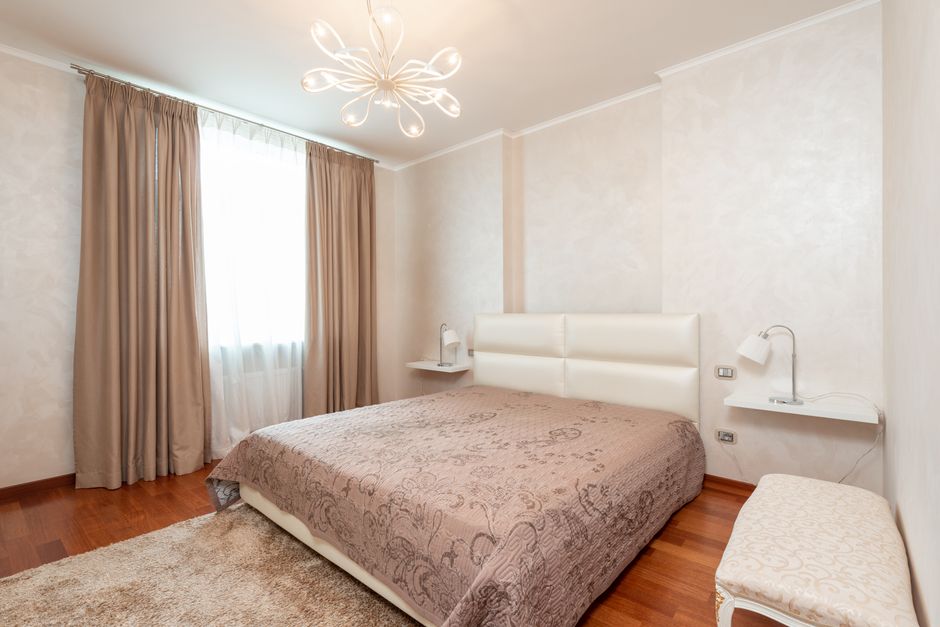
Living in an apartment means sharing walls, floors, and ceilings with neighbors who may have completely different schedules, music tastes, or noise tolerances than you do. Whether it’s a bass-heavy TV next door, footsteps from the unit above, or street traffic bleeding through your windows at 2 a.m., noise can seriously wreck your sleep, your focus, and your sanity. The good news? You don’t need to own your home — or spend a fortune — to make a meaningful difference. This guide covers practical, renter-friendly ways to soundproof an apartment bedroom on a budget, using solutions that actually work.
Understanding the Noise Problem First
Before you start buying anything, it helps to understand what kind of noise you’re dealing with. There are two main types:
- Airborne noise – Voices, music, TV, and traffic. Sound travels through the air and penetrates walls, windows, and doors.
- Impact noise – Footsteps, dropped objects, and furniture dragging. Vibrations travel through the building structure itself.
Most apartment bedrooms suffer from a mix of both. The solutions you choose will depend on which type is causing you the most grief. Identifying your primary noise source — a shared wall, the ceiling, windows, or your door — will help you prioritize where to spend your limited budget.
Start With the Walls: Your Biggest Surface Area
Shared walls are the number one complaint in apartment living. They’re also one of the easier problems to address without any permanent modifications.
Add Mass and Absorption
Sound travels more easily through lightweight, thin materials. Adding mass to your walls — even temporarily — slows that transmission down. One of the most effective renter-friendly options is Mass Loaded Vinyl (MLV). You can hang it behind furniture, inside a wardrobe against a shared wall, or even install it as a temporary wall layer that can be removed when you move out.
Trademark Soundproofing Mass Loaded Vinyl is a solid choice here. It’s dense, flexible, and can be cut to size for walls, doors, or any flat surface. Hang it with adhesive strips or tack it up, then cover it with a tapestry or furniture piece to keep your room looking clean. It won’t eliminate all sound, but it adds meaningful mass that reduces how much noise bleeds through.
Use Acoustic Panels Strategically
Acoustic panels don’t block sound from entering your room — let’s be clear about that. What they do is reduce echo and reverberation inside your room, which makes the noise that does get through feel less overwhelming and more manageable. They’re also excellent if you’re recording audio, gaming, or working from home and want a cleaner sound environment.
If you want panels that do double-duty as actual wall decor, the Art3d Wood Slat Acoustic Panels in Walnut are worth a look. They have a modern, furniture-grade appearance that looks intentional rather than industrial, so they won’t make your bedroom feel like a recording studio. Mount them on your loudest wall for the most acoustic benefit while keeping the space visually polished.
For a more budget-focused approach, foam wedge panels are a cost-effective way to cover more surface area. The GUERRI Acoustic Foam Wedge Panels 36-pack gives you enough panels to treat a significant portion of a bedroom wall without breaking the bank. They’re easy to install and remove, making them a great option for renters who can’t make permanent changes.
Tackle the Door: The Weakest Link in Most Bedrooms
Interior apartment doors are often hollow-core, which means they do almost nothing to block sound. A solid-core door upgrade might be off the table if you’re renting, but there are still several effective workarounds.
Use a Door Sweep
The gap at the bottom of your bedroom door is a direct highway for sound. A stick-on or screw-mounted door sweep costs very little and can dramatically reduce noise bleeding in from the hallway or common areas. Look for one with a rubber or silicone seal that makes solid contact with the floor.
Add a Door Draft Stopper or Soundproof Curtain
A heavy draft stopper at the base of the door works well as a temporary fix. For the door itself, hanging a thick, heavy curtain over the entire door frame adds some mass and absorption. It won’t perform like a solid-core door, but combined with a door sweep, it makes a noticeable difference — especially for voices and TV noise.
Seal the Gaps
Check around the entire door frame for gaps where light (and sound) leaks through. Self-adhesive weatherstripping foam tape is inexpensive and easy to apply along the top and sides of the door frame. Every gap you seal is one less path for noise to travel.
Windows: Blocking Street Noise and Outside Disturbances
If traffic noise, sirens, or outdoor conversations are your primary problem, your windows need attention. Single-pane windows common in older apartment buildings are notoriously poor at blocking sound.
Heavy Curtains Make a Real Difference
Soundproof or blackout curtains made from dense, layered fabric won’t perform miracles, but they do reduce high-frequency noise and soften the impact of what does get through. Look for curtains labeled as “thermal” or “blackout” — these tend to have the densest construction. Floor-to-ceiling coverage is key. The more fabric surface area covering the window, the better.
Window Inserts and Plug Options
For renters willing to spend a bit more, removable window inserts — essentially a second pane of acrylic or glass that sits inside the existing window frame — can provide significant noise reduction without any permanent installation. Brands like Indow make custom versions, but DIY options using acrylic sheeting and foam tape seals are a budget-friendly alternative.
Floors and Ceilings: Dealing With Impact Noise
If noise from the unit above is your main issue, you’re dealing with impact noise, which is harder to address from your side as a renter.
Add Rugs and Carpet Padding
While this won’t stop noise coming down from above, thick rugs with dense underlayment padding will reduce the impact noise you send downward to neighbors below — which keeps the peace both ways. It also absorbs some of the reverberant sound in your own room, making the overall noise environment more comfortable.
Furniture Placement as a Buffer
Large, heavy furniture placed against a shared wall or ceiling-adjacent wall acts as a sound buffer. Bookshelves filled with books, a wardrobe, or a fabric headboard all add mass and absorption. This is one of the most cost-free strategies available, and it actually works.
White Noise: The Underrated Budget Weapon
No amount of soundproofing will make your apartment completely silent, and that’s okay. Masking residual noise with white noise, brown noise, or a fan is one of the most effective and cheapest tools in the arsenal. A dedicated white noise machine on your nightstand can make the difference between lying awake at 1 a.m. listening to your neighbor’s TV and actually falling asleep. Combined with physical soundproofing improvements, masking background noise rounds out a complete approach.
Prioritizing Your Budget: Where to Spend First
If you’re working with limited funds, here’s a practical order of priority:
- 1. Seal gaps – Weatherstripping and door sweeps cost very little and have an immediate impact.
- 2. Add mass to walls – MLV or heavy tapestries on shared walls address the biggest surface area.
- 3. Cover the floor – A thick rug with padding is affordable and multi-purpose.
- 4. Window treatments – Heavy curtains are relatively affordable and block light as a bonus.
- 5. Acoustic treatment – Panels for walls improve the acoustic environment inside the room.
- 6. White noise machine – A great finishing layer for any budget level.
Conclusion
Soundproofing an apartment bedroom doesn’t require tearing out drywall, spending thousands of dollars, or violating your lease. By understanding where noise enters, targeting the biggest problem areas first, and layering multiple solutions together, you can create a noticeably quieter, more comfortable sleeping space. Start with the low-cost fixes, add mass and absorption where you can, and use sound masking to cover the rest. Every improvement you make compounds with the others — and your sleep is absolutely worth the effort.
Frequently Asked Questions
Will acoustic foam panels actually block sound from coming through my walls?
No — acoustic foam panels are designed to absorb sound within a room, reducing echo and reverberation. They don’t block sound transmission from one room to another. For blocking sound, you need mass-based solutions like Mass Loaded Vinyl, heavy curtains, or additional drywall layers. Think of foam panels as a complement to soundproofing, not a substitute for it.
Can I soundproof my apartment without losing my security deposit?
Yes. Most of the solutions in this guide are completely renter-friendly. Adhesive weatherstripping, removable door sweeps, hanging curtains, rugs, and furniture placement all require zero permanent modification. Even Mass Loaded Vinyl can be hung with removable adhesive strips. Always check your lease before mounting anything to walls, and use the least invasive installation method available.
What’s the single most effective thing I can do to reduce noise in my bedroom?
It depends on your noise source, but sealing air gaps is almost always the highest-impact, lowest-cost first step. Sound follows air — anywhere air can travel, sound travels freely. Addressing gaps around your door and windows often produces an immediate, noticeable difference before you spend a dollar on anything else.
Is Mass Loaded Vinyl safe to use in a bedroom?
Yes. Mass Loaded Vinyl is a non-toxic, flexible vinyl material that is safe for residential use. It has no significant odor once aired out and poses no health concerns for standard bedroom applications. It’s widely used in homes, apartments, recording studios, and even vehicles for sound dampening purposes.
Affiliate Disclosure: This article contains affiliate links. If you make a purchase through these links, we may earn a small commission at no additional cost to you. This helps support Soundproofing Simplified and allows us to continue creating helpful guides. We only recommend products we genuinely believe will help.