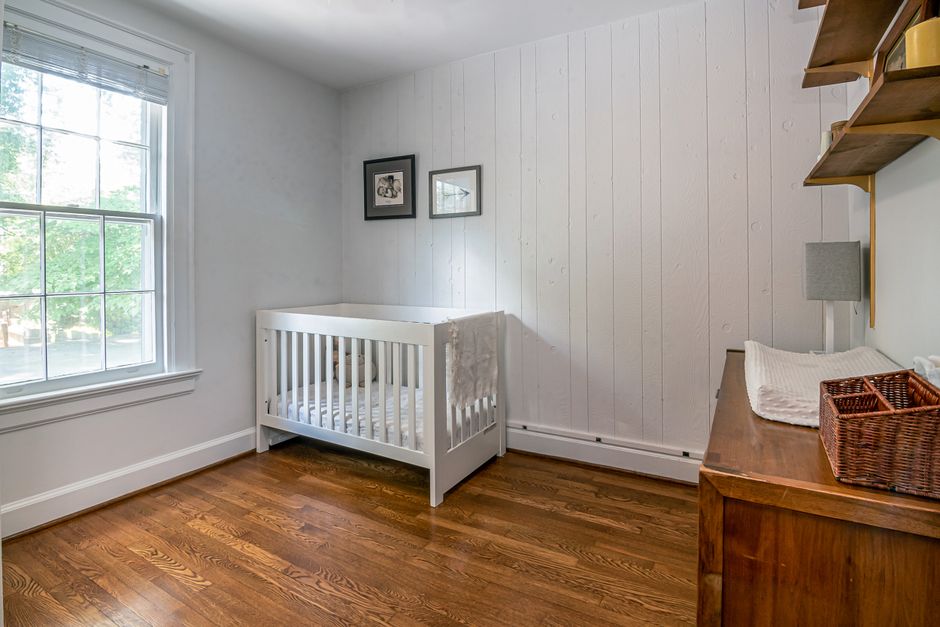
Bringing a new baby home is one of the most exciting things you’ll ever do — until the garbage truck rumbles past at 6 AM, the upstairs neighbor decides to rearrange furniture at midnight, or your partner’s alarm clock jolts your finally-sleeping infant wide awake. Noise is one of the biggest enemies of baby sleep, and baby sleep is one of the biggest factors in your own sanity. Whether you’re renting an apartment, living in a townhouse, or own your home, there are real, practical steps you can take to reduce the noise that reaches your baby’s room. This guide breaks down exactly what to do, what to buy, and what actually works — without tearing down walls or losing your security deposit.
Why Baby Room Soundproofing Actually Matters
Babies spend up to 16 hours a day sleeping, especially in their first few months. Unlike adults, they haven’t developed the ability to filter out background noise while unconscious. A sudden loud sound triggers their startle reflex (the Moro reflex), which can wake them instantly and make it nearly impossible for them to self-settle. Beyond the immediate wake-ups, chronic noise disruption affects sleep quality and, by extension, healthy development.
The goal isn’t to create a perfectly silent room — that’s both impossible and unnecessary. The goal is to reduce sudden, sharp noise intrusions and lower the overall decibel level so your baby can cycle through sleep stages without being jolted out of them. That’s an achievable target, even on a renter’s budget.
Start With a Noise Audit
Before spending a single dollar, spend five minutes identifying where noise is actually coming from. Walk into the room, close the door, and just listen. Common culprits include:
- The door: Gaps under and around the door frame are massive sound leaks
- Windows: Single-pane glass and poorly sealed frames let in enormous amounts of exterior noise
- Shared walls: In apartments and townhouses, impact noise and airborne sound travel easily through drywall
- Floors and ceilings: Footsteps from above, bass from below
- Vents and outlets: Often overlooked, but HVAC vents are direct noise channels
Rank your problem sources from worst to least. This tells you where to spend your time and money first. A targeted approach always outperforms throwing random products at the room.
Treating the Walls: Absorption vs. Blocking
This is where most people get confused, so let’s clear it up fast. Sound absorption reduces echo and reverberation inside the room. Sound blocking prevents noise from passing through a surface. For a baby’s room, you need both — absorption to soften the acoustic environment and blocking to stop outside noise from getting in.
Sound Absorption for Walls
Hard, bare walls bounce sound around the room, which amplifies every noise. Adding soft, porous materials to the walls dramatically reduces this. One of the most visually appealing options that actually works is the Art3d Wood Slat Acoustic Panels in Walnut. These panels combine a felt acoustic backing with a real wood veneer surface, which means they absorb mid and high-frequency sound while looking like intentional, stylish decor rather than a recording studio. For a baby room, that’s ideal — you’re not sacrificing the aesthetic for function.
Mount them on the wall opposite the window or on a shared wall with a noisy neighbor. A few panels can reduce flutter echo and soften the room’s overall acoustic character noticeably.
Sound Blocking for Walls
If you have a shared wall with a loud neighbor or a wall facing a busy street, absorption alone won’t cut it. You need mass. Trademark Soundproofing Mass Loaded Vinyl (MLV) is one of the most effective renter-friendly solutions for adding mass to a wall without permanent construction. MLV is a dense, flexible material that you can hang like a curtain or mount temporarily behind furniture. It works by increasing the surface density of the wall, which makes it harder for sound waves to pass through.
For renters, the cleanest approach is to hang MLV behind a large piece of furniture — a bookshelf, a wardrobe, or the back of a crib that sits against a shared wall. It’s not visible, and it’s completely removable when you move out.
Treating the Door
Doors are the weakest point in almost every room. A hollow-core interior door (the standard in most apartments and builder-grade homes) offers almost no acoustic resistance. Here’s how to address it without replacing the door:
- Door sweep: Install a rubber door sweep on the bottom of the door. This closes the gap between the door and the floor, which is often a quarter-inch or more of pure sound leak.
- Weatherstripping: Apply self-adhesive foam weatherstripping around the door frame jamb. This seals the perimeter gaps when the door is closed.
- Door draft stopper: A simple rolled fabric stopper placed at the base of the door adds an extra layer of blocking for low rumbles and voices.
- Door curtain or soundproof blanket: Hanging a heavy curtain or moving blanket over the door adds mass and absorption simultaneously.
These four steps combined can make a significant difference for a fraction of the cost of a solid-core door replacement.
Treating Windows
If exterior noise (traffic, street sounds, neighbors) is your primary issue, the window is your main battleground. Options vary by budget:
- Acoustic curtains: Heavy, multi-layer curtains sold specifically for sound reduction. They’re not perfect, but they add meaningful mass and also help with light blocking — a double win for baby sleep.
- Plug-style window inserts: DIY foam or rigid insulation inserts cut to fit the window frame. Highly effective, but you have to remove them to let in light.
- Secondary glazing: For homeowners, adding a second layer of glass or acrylic over the existing window is one of the highest-impact upgrades available short of full window replacement.
- Seal the frame: Caulk any gaps around the window frame with acoustic caulk. Air gaps are sound gaps.
Floors and Ceilings: Dealing With Impact Noise
If you live below another unit, footstep noise (impact sound) is likely a major issue. Unlike airborne sound, impact noise travels through the building structure itself, which makes it harder to block from below.
For the floor in your baby’s room, a thick area rug with a dense rug pad underneath adds mass and decoupling that reduces the transmission of both incoming and outgoing noise. This matters if you have a baby monitor and don’t want every creak of your footsteps to be amplified.
For the ceiling, mass loaded vinyl applied to the ceiling surface (using furring strips or a temporary suspension system) can reduce airborne noise coming from above. It’s a more involved installation but achievable as a weekend project for homeowners.
Using Acoustic Foam Strategically
Acoustic foam is often misunderstood. It does not block sound from passing through walls — it absorbs sound energy within the room, reducing echo and reverberation. In a baby’s room, this means less sound bouncing around after a noise event, which reduces how “sharp” and startling sounds feel.
The GUERRI Acoustic Foam Wedge Panels 36-pack gives you enough coverage to treat a meaningful portion of the room’s wall surface at an affordable price point. Place them on the walls in the upper half of the room (where reflections are strongest) or behind furniture where they’ll stay in place without visible adhesive damage to the walls. For renters, foam panels can be mounted using removable adhesive strips rather than permanent glue.
Foam is most useful when combined with heavier blocking materials — think of it as the finishing layer that smooths out the room’s acoustic character after you’ve already dealt with the major noise paths.
White Noise: Your Most Underrated Tool
No soundproofing guide for a baby room is complete without mentioning white noise. A quality white noise machine doesn’t eliminate outside sound, but it raises the ambient noise floor in the room, which reduces the perceived contrast when a sudden noise occurs. If the room sits at 35 dB and a truck passes at 65 dB, that’s a 30 dB spike — very noticeable. If the room sits at 50 dB from a white noise machine and the truck hits 65 dB, the spike is only 15 dB — much less likely to cause a startle response.
Use white noise as a complement to physical soundproofing, not a replacement for it. Together, they’re far more effective than either is alone.
Conclusion: A Layered Approach Works Best
Soundproofing a baby room isn’t about any single magic product — it’s about systematically addressing each noise pathway with the right material for that specific problem. Seal the gaps in your door and windows. Add mass to shared walls with MLV. Use acoustic panels to reduce interior reflections and create a calmer acoustic environment. Soften the floor with thick rugs. And use white noise to bridge the remaining gap.
Even as a renter, most of these steps are fully reversible and won’t cost you your security deposit. Start with the biggest noise source in your specific room, apply the fix, and notice the difference before moving to the next. You don’t have to do everything at once. A few well-chosen improvements can mean the difference between a baby who naps reliably and one who doesn’t — and that difference is worth every minute of the effort.
Frequently Asked Questions
Can I soundproof a baby room without damaging the walls?
Yes. Most of the methods covered here are renter-friendly. Mass loaded vinyl can be hung like a curtain or tucked behind furniture. Acoustic foam panels can be mounted with removable adhesive strips. Acoustic wood slat panels can be hung on picture rail systems or with minimal hardware. Door sweeps and weatherstripping leave negligible marks. You can achieve meaningful noise reduction without any permanent wall damage.
Does acoustic foam actually block sound from coming in?
No — this is one of the most common misconceptions in DIY soundproofing. Acoustic foam absorbs sound energy within the room, reducing echo and reverberation. It does not stop sound from passing through the wall. For blocking, you need mass (like MLV or solid panels). Use acoustic foam to improve the room’s internal acoustics after you’ve addressed the main noise entry points.
What’s the most effective single upgrade for an apartment baby room?
If you can only do one thing, seal the door. A door sweep, weatherstripping around the frame, and a heavy curtain over the door costs under $50 total and will have a more noticeable impact than almost any other single change. Most apartment doors have significant gaps that let sound travel freely — closing those gaps is the highest return-on-investment fix available.
How loud should a white noise machine be in a baby’s room?
The American Academy of Pediatrics recommends keeping white noise machines at no louder than 50 dB and placing them at least 7 feet away from the baby’s sleep area. The goal is to create a consistent ambient sound level, not to blast the room. At proper volume and distance, white noise is safe and highly effective for masking intrusive sounds.
Affiliate Disclosure: This article contains affiliate links. If you make a purchase through these links, we may earn a small commission at no additional cost to you. This helps support Soundproofing Simplified and allows us to continue creating helpful guides. We only recommend products we genuinely believe will help.