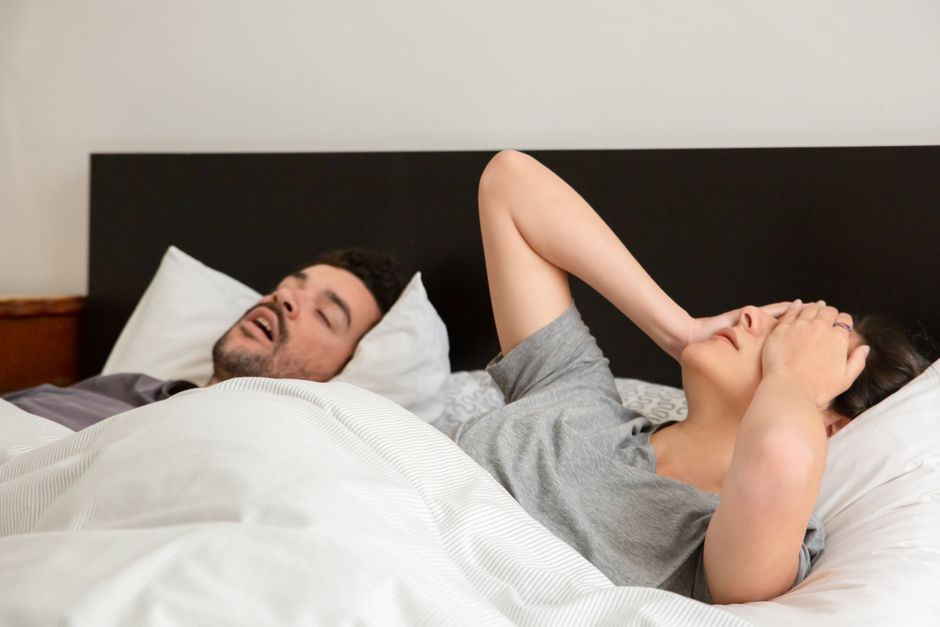
Living in an apartment means sharing walls, ceilings, and floors with people you didn’t choose as neighbors. Whether it’s a bass-heavy TV through the wall, footsteps from the unit above, street traffic at 2 a.m., or a neighbor who apparently never sleeps, noise is one of the most common — and most disruptive — problems apartment dwellers face. If you’ve already tried earplugs and found them uncomfortable, or you’re just tired of waking up every time a car door slams outside, a white noise machine might be the most practical, affordable solution you haven’t tried yet. This guide breaks down exactly what to look for and which machines are actually worth buying.
Why White Noise Machines Actually Work
White noise doesn’t block sound — let’s get that straight right away. What it does is mask it. By producing a consistent, broadband sound that spans all audible frequencies, white noise raises the ambient noise floor in your room. This means that sudden sounds — a door slam, a barking dog, a upstairs neighbor dropping something at midnight — don’t create as sharp a contrast against the background, so your brain is less likely to register them as threats worth waking up for.
Think of it this way: if you’re trying to sleep in complete silence and a car honks outside, that sound jumps out dramatically. But if your room already has a steady layer of sound at a moderate volume, that same honk blends in rather than startling you awake. It’s simple acoustic physics, and it’s why white noise machines have been recommended by sleep specialists for decades.
For apartment dwellers specifically, where you have limited ability to actually modify the building’s structure or your neighbors’ behavior, this kind of masking strategy is often the most realistic and immediately effective option available to you.
What to Look for in a White Noise Machine
Not all white noise machines are created equal. Here’s what actually matters when you’re shopping for one:
Sound Quality and Type
Cheaper machines often use looping recordings, which means you’ll eventually hear the same audio pattern repeat — and once you notice it, you can’t un-notice it. Look for machines that use electronically generated sound (fan-based or digital signal generation) rather than looped audio files. You’ll also want to check whether the machine offers multiple sound options: true white noise, pink noise (which emphasizes lower frequencies and sounds softer), brown noise (even deeper, like rushing water), and various fan or nature sounds.
Volume Range
A machine that only goes to “pretty quiet” isn’t going to do much against a loud neighbor. You want something with a meaningful volume range — ideally loud enough to genuinely mask conversation-level noise through a wall, but also quiet enough to use comfortably if your environment isn’t that bad.
Form Factor and Power
Do you want something that sits on a nightstand, plugs directly into an outlet, or travels with you? Plug-in models tend to be more compact and are great for smaller apartments where nightstand space is limited. Standalone units give you more placement flexibility. Battery-powered or USB options matter if you travel.
Additional Features
Timers, memory settings that recall your last volume and sound choice, child locks, and control apps are all nice-to-haves. They’re not essential, but they add convenience if you’re going to use this device every single night.
Top White Noise Machines for Apartment Living
Best for Small Spaces: Calm Me Plug-In White Noise Machine
If your apartment is short on counter space or you simply want something discreet and out of the way, the Calm Me Plug-In White Noise Machine is worth a serious look. It plugs directly into a wall outlet, which keeps your nightstand clear and eliminates the need for an extra power cable running across the floor.
Despite its small footprint, it produces a solid range of sounds and reaches volumes that can realistically mask ambient apartment noise. The plug-in design also makes it easy to move between rooms — stick it in the bedroom at night, move it to your home office during the day if you’re working from home and dealing with street noise or hallway sounds. For renters who want a dead-simple, no-fuss solution, this is an excellent starting point.
Best All-Around Performer: LectroFan White Noise Machine
The LectroFan White Noise Machine has been a go-to recommendation in the sleep and soundproofing community for years, and for good reason. It offers 20 distinct sounds — 10 fan variations and 10 ambient noise variations including white, pink, and brown noise — all electronically generated with no looping. That last point is significant. You will never hear a repetitive pattern that pulls you out of sleep.
The volume range is one of the widest available in this price category, which matters a lot if you’re dealing with genuinely loud neighbors or street-level traffic. It also remembers your last settings when you turn it off and back on, so you’re not re-adjusting every night. It’s a standalone unit, so it needs a flat surface and a power outlet nearby, but the compact design fits easily on most nightstands.
If you want one machine that handles everything without compromise, the LectroFan is the one to get.
Pairing Your White Noise Machine with Better Room Acoustics
A white noise machine is a strong first step, but if you’re dealing with significant noise intrusion, layering solutions will get you better results. One underrated approach is improving your room’s acoustics so that noise that does enter the space gets absorbed rather than bouncing around and amplifying.
Hard surfaces — bare walls, hardwood floors, uncovered windows — reflect sound and make a room feel louder. Adding soft, dense materials helps. Heavy curtains over windows, a large area rug on the floor, and acoustic panels on walls can all reduce the amount of noise that reverberates in your space.
If you want something that does acoustic work without looking like a recording studio, consider the Art3d Wood Slat Acoustic Panels in Walnut. These panels are designed to look like modern wall décor — the kind of slatted wood accent wall you’d see in an interior design magazine — while actually doing real acoustic work. For apartment dwellers who want to improve their sound environment without making their bedroom look like a bunker, this is a smart aesthetic compromise. They’re particularly effective at reducing echo and reverberation, which means the sound that does enter your room dissipates faster instead of lingering and compounding.
Used alongside a quality white noise machine, you create a two-pronged approach: the panels reduce how much ambient noise bounces around your room, and the white noise machine masks what’s left.
Placement Tips to Get the Most Out of Your White Noise Machine
Where you put your machine matters more than most people realize. Here are a few practical guidelines:
- Place it between you and the noise source. If the noise is coming through the wall your bed is pushed against, put the machine on a nightstand near that wall — not across the room.
- Don’t put it directly next to your ear. You want the sound to fill the room, not blast directly at your head. Two to four feet away is a reasonable starting point.
- Experiment with volume — louder isn’t always better. You want it loud enough to mask intrusive sounds but not so loud that the machine itself becomes the thing keeping you awake. Start around 65 dB (roughly the volume of a normal conversation) and adjust from there.
- Point it toward the noise source if directional. Some machines project sound more strongly in one direction. If yours does, aim it toward the wall or window where the noise enters.
- Use it consistently. Your brain adapts to the white noise over time and begins to associate it with sleep. Consistency accelerates this effect.
When White Noise Isn’t Enough
If your noise problem is severe — you can clearly hear conversations through the wall, feel bass from a neighbor’s music, or deal with impact noise from above — white noise alone won’t fully solve it. In those cases, you’ll need to address the structural paths through which sound is entering. That might mean door sweeps and weatherstripping on your front door, acoustic curtains over windows, or a conversation with your building management about the issue.
That said, white noise is almost always worth adding to your toolkit regardless of severity. Even if it doesn’t eliminate the problem, it reliably reduces how much that noise disrupts your sleep — and disrupted sleep is the real issue you’re trying to solve.
Conclusion
If you’re losing sleep because of apartment noise, a white noise machine is one of the most cost-effective, immediately deployable solutions available to you. You don’t need a landlord’s permission, you don’t need to renovate anything, and you don’t need to spend a lot of money to see real results. Start with a quality machine like the LectroFan or the compact Calm Me Plug-In, place it strategically, and layer in acoustic improvements like the Art3d Wood Slat Acoustic Panels if you want to go further. You may not eliminate every sound, but you can absolutely get your sleep back.
Frequently Asked Questions
Is it safe to use a white noise machine every night?
Yes, for most people. Research hasn’t established any harm from nightly white noise use at reasonable volumes (under 70 dB). The key is not running it at maximum volume right next to your ear. Keep it at a comfortable level that masks noise without straining your hearing, and you can use it indefinitely.
What’s the difference between white noise, pink noise, and brown noise?
All three are variations of broadband sound that differ in how their energy is distributed across frequencies. White noise has equal energy at all frequencies and sounds like a TV static hiss. Pink noise reduces higher frequencies slightly, resulting in a softer, more balanced sound many people find easier to sleep to. Brown noise reduces high frequencies even further, producing a deep, rumbling sound similar to heavy rainfall or a strong fan. All three work for masking; which you prefer is personal.
Will a white noise machine bother my partner?
Usually not — in fact, most partners end up preferring it once they adjust. If your partner is a lighter sleeper than you, start at a lower volume and choose a softer sound like pink or brown noise. Most couples find that within a week or two, the white noise becomes a normal and even welcome part of their sleep routine.
Can I use a white noise app on my phone instead of buying a machine?
You can, and it’s a reasonable way to test whether white noise helps you before committing to a purchase. However, dedicated machines generally produce better quality sound (especially non-looping models like the LectroFan), don’t drain your phone battery, and don’t risk notification sounds interrupting the audio. If you try an app and it helps, upgrading to a real machine will almost always improve the results further.
Affiliate Disclosure: This article contains affiliate links. If you make a purchase through these links, we may earn a small commission at no additional cost to you. This helps support Soundproofing Simplified and allows us to continue creating helpful guides. We only recommend products we genuinely believe will help.