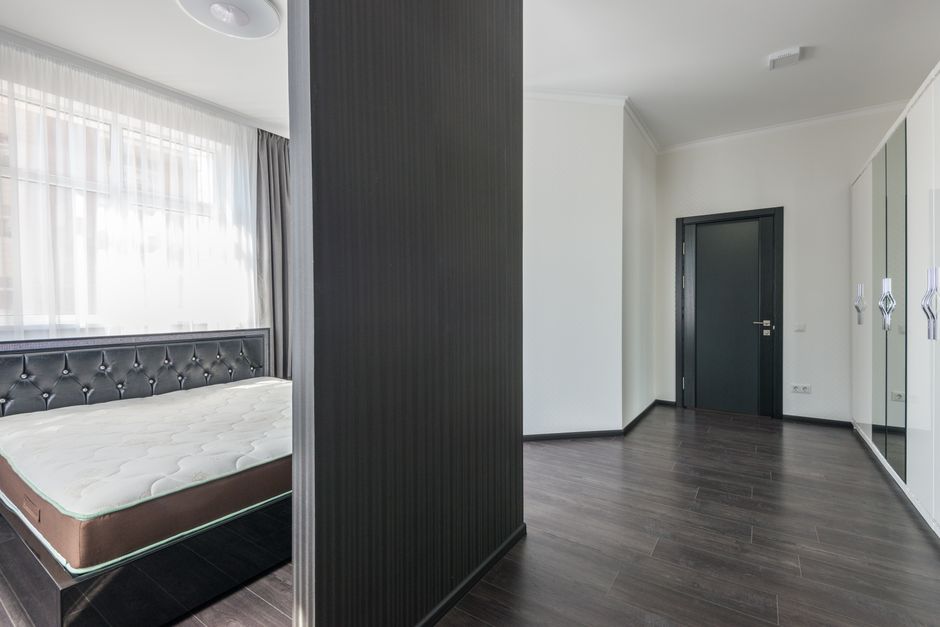
If you’ve ever lain awake listening to your neighbor’s TV, muffled arguments through the drywall, or the thud of footsteps from the unit next door, you already know the problem. Shared walls are one of the biggest noise challenges in apartments, condos, townhouses, and even semi-detached homes. The good news? You don’t need to gut your walls or hire a contractor to make a meaningful difference. The right soundproofing materials, applied strategically, can significantly reduce the amount of noise bleeding through shared walls — whether you own the space or rent it. This guide breaks down the best options available, how they work, and how to choose what’s right for your situation.
Understanding Why Shared Walls Are Such a Problem
Before throwing materials at the problem, it helps to understand what you’re actually dealing with. Noise travels through shared walls in two primary forms:
- Airborne noise: Voices, music, TV, barking dogs — sound waves traveling through the air and vibrating the wall structure.
- Impact noise: Footsteps, furniture dragging, knocking — vibrations transmitted directly through the building’s structure.
Most shared walls in residential buildings are single-layer drywall over wood or metal studs, sometimes with minimal insulation inside. That construction does almost nothing to block sound. Effective soundproofing adds mass (to resist vibration), decoupling (to break the vibration pathway), and absorption (to reduce echo and reverberation). The best solutions address at least two of these factors.
The Best Soundproofing Materials for Shared Walls
1. Mass Loaded Vinyl (MLV) — The Heavy Hitter
Mass loaded vinyl is widely considered one of the most effective soundproofing materials available for walls. It’s a dense, flexible sheet material — typically sold by the roll — that adds significant mass to a wall surface without requiring major construction. The way it works is simple: the heavier and denser a wall is, the harder it is for sound waves to vibrate it. MLV exploits that principle directly.
You can hang MLV directly on a wall surface before adding a finishing layer of drywall, or in rental situations, you can hang it like a curtain or pin it behind furniture. It’s particularly effective against low-frequency noise like bass from speakers or rumbling HVAC systems, which most lighter materials struggle with.
For a quality option that’s well-regarded in the soundproofing community, the Trademark Soundproofing Mass Loaded Vinyl is a reliable choice that comes in multiple sizes and works for both wall and ceiling applications. If you’re serious about reducing noise through a shared wall and can commit to a semi-permanent installation, MLV should be near the top of your list.
Best for: Homeowners, long-term renters, anyone dealing with low-frequency or persistent noise.
Installation: Moderate — can be stapled, glued, or hung depending on the situation.
2. Acoustic Foam Panels — Targeted Sound Absorption
Acoustic foam panels are one of the most accessible and affordable entry points into wall soundproofing. They work primarily through absorption — the open-cell foam traps sound energy and converts it to a small amount of heat, reducing the amount of sound that bounces off hard surfaces and passes through walls.
It’s worth being clear about what acoustic foam does and doesn’t do. Foam is excellent at controlling mid-to-high frequency sound and reducing room echo, which in turn lowers the overall volume of sound that reaches your wall. It is not, by itself, a complete sound barrier — for that, you need mass. But as part of a layered approach, or for renters who can’t make structural changes, foam panels offer a genuinely useful improvement.
The GUERRI Acoustic Foam Wedge Panels 36-pack gives you enough coverage to treat a full shared wall without breaking the bank. The wedge profile increases surface area for better absorption, and the pack size makes it practical for larger walls. These are a solid option for home offices, bedrooms, or living rooms where neighbor noise is a constant distraction.
Best for: Renters, apartment dwellers, anyone wanting a quick improvement without construction.
Installation: Easy — adhesive strips or spray adhesive.
3. Acoustic Wood Slat Panels — Performance Meets Aesthetics
One of the most common complaints about soundproofing solutions is that they make your room look like a recording studio or a padded cell. Acoustic foam has its place, but it’s not exactly interior-design-friendly. That’s where acoustic wood slat panels have become genuinely popular — they look like high-end wall decor while actually providing sound absorption behind the decorative surface.
These panels typically consist of wooden slats mounted over a felt or acoustic backing. The gaps between the slats allow sound to pass through to the absorptive backing, while the wood surface itself adds some mass. The result is a panel that reduces echo, softens room acoustics, and takes the edge off transmitted noise — all while looking intentional and stylish.
The Art3d Wood Slat Acoustic Panels in Walnut are a particularly good example of this category done right. The walnut finish looks genuinely premium, and the panels are designed to cover meaningful wall space. If you’re in a situation where appearance matters — a living room shared wall, a home office where clients might see it on video calls, or a rental where you want something you can actually enjoy looking at — these panels are worth serious consideration.
Best for: Living spaces, home offices, anyone who wants soundproofing that doesn’t compromise the look of a room.
Installation: Moderate — typically mounted with adhesive or wall anchors.
Layering Materials for Maximum Effect
Here’s the honest truth: no single material is going to completely eliminate noise through a shared wall. The most effective approach is layering — combining mass, absorption, and where possible, decoupling. Here’s a practical layering strategy that works for different situations:
For Renters (Non-Permanent Options)
- Cover the shared wall with acoustic foam panels for absorption
- Place a large bookshelf filled with books against the wall — mass is mass
- Add heavy curtains or a tapestry over the wall if aesthetics are a concern
- Use a white noise machine on your side to mask residual sound
For Homeowners or Long-Term Renters with Permission
- Install mass loaded vinyl directly against the existing drywall
- Add a second layer of drywall over the MLV (double-drywall technique)
- Use acoustic caulk to seal all gaps, outlets, and seams
- Finish with decorative acoustic panels for both absorption and aesthetics
Don’t Overlook These Supporting Factors
Even with great materials on the wall, noise can sneak through weak points. Pay attention to these areas:
- Electrical outlets: Outlet boxes on shared walls are essentially holes in your soundproofing. Use acoustic outlet box covers or fill gaps with acoustic putty pads.
- Gaps at baseboards and ceiling: Acoustic caulk along these seams costs almost nothing and makes a real difference.
- Doors leading to shared hallways: A solid-core door with a proper door sweep addresses more noise than most people realize.
- Flanking paths: Sound travels through the floor and ceiling as well as the wall. If you’re hearing noise despite treating the wall, the sound may be going around it.
Setting Realistic Expectations
Soundproofing is not silence-proofing. Even professional-grade installations reduce noise rather than eliminating it entirely. What you can realistically expect from a well-executed DIY approach is a noticeable reduction in noise — enough to sleep better, concentrate more easily, or simply stop being constantly aware of what your neighbor is doing. That’s a meaningful improvement in quality of life, and it’s achievable without a contractor or a renovation budget.
The key is to match your materials to your actual problem. Light conversation bleeding through? Acoustic foam panels and wood slat panels will make a noticeable difference. Heavy bass from a sound system? You need mass — MLV and added drywall layers. Impact noise from above? That’s a floor problem, not a wall problem, and requires different solutions.
Conclusion
Shared walls don’t have to mean shared noise. With the right combination of materials — mass loaded vinyl for blocking, acoustic foam for absorbing, and decorative acoustic panels for a finish that actually looks good — you can reclaim your space without a full renovation. Start by identifying what kind of noise is bothering you most, pick the material that addresses it directly, and build from there. Small, targeted improvements compound quickly, and you’ll notice the difference sooner than you might expect.
Frequently Asked Questions
Can I soundproof a shared wall without drilling into it?
Yes. Several options work without permanent installation. Acoustic foam panels can be attached with removable adhesive strips. Heavy bookshelves, thick tapestries, and even dense furniture placed against the wall all add mass without any drilling. For a more substantial renter-friendly option, mass loaded vinyl can be hung like a curtain using a tension rod or picture rail system.
How much can I realistically reduce noise through a shared wall?
A well-executed DIY treatment can reduce noise by 10–20 decibels, which is significant — a 10 dB reduction is perceived by most people as roughly halving the loudness of a sound. Professional installations can achieve more, but even budget-conscious DIY approaches produce a meaningful improvement. The exact result depends on the existing wall construction, the type of noise, and which materials you use.
Is mass loaded vinyl safe to use indoors?
Yes. Quality mass loaded vinyl sold for residential soundproofing is made from non-toxic materials and is safe for indoor use. It does have a mild odor when first unrolled, which dissipates within a day or two. Allow it to air out before installation in an enclosed space if you’re sensitive to smells.
Do acoustic panels actually block sound, or just reduce echo?
Acoustic panels — including foam and wood slat varieties — primarily work through absorption, not blocking. They reduce echo and reverberation within a room, which lowers the overall sound pressure that reaches the wall. They do not function as a sound barrier on their own. For blocking, you need mass (like MLV or added drywall). The most effective approach combines both: absorption panels on the surface, mass material behind them or underneath.
Affiliate Disclosure: This article contains affiliate links. If you make a purchase through these links, we may earn a small commission at no additional cost to you. This helps support Soundproofing Simplified and allows us to continue creating helpful guides. We only recommend products we genuinely believe will help.