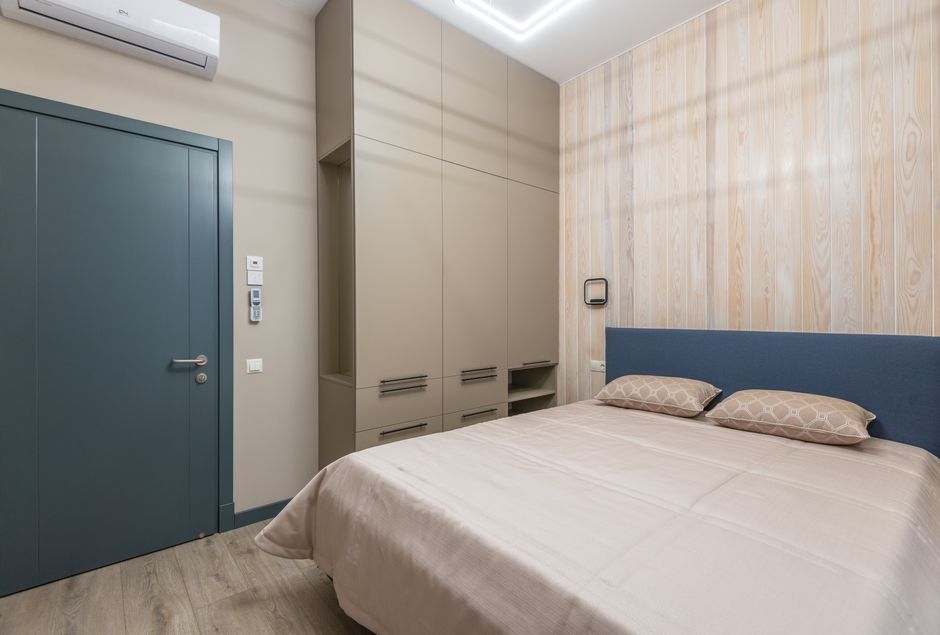
Your bedroom is supposed to be a sanctuary — a place to sleep, recharge, and escape the chaos of daily life. But if every footstep in the hallway, conversation in the living room, or noise from outside bleeds right through your door, that sanctuary starts to feel more like a fishbowl. The good news? Your bedroom door is one of the most impactful and accessible things you can address when it comes to noise control. Whether you’re renting an apartment, living in a house with thin interior doors, or just tired of being woken up at midnight, this guide walks you through exactly what to do — from cheap quick fixes to more serious upgrades.
Why Bedroom Doors Let So Much Noise Through
Before you start throwing money at solutions, it helps to understand the problem. Most interior doors — especially in apartments and newer construction — are hollow-core. That means the inside is essentially empty, filled with a cardboard honeycomb structure that provides almost zero sound resistance. Compare that to a solid-wood exterior door, and you’ll understand why noise travels through interior doors so easily.
But the door itself is only part of the story. Even a solid door will fail if it’s surrounded by gaps. Sound behaves a lot like water — it finds any crack, any opening, and flows right through. The most common culprits are:
- The gap under the door — often 1/2 inch to 3/4 inch of open air
- Gaps around the door frame — sides and top
- A hollow-core door panel itself
- No door sweep or weatherstripping
A good soundproofing strategy addresses all of these, not just one.
Step 1: Seal the Gaps First — This Is Non-Negotiable
If you do nothing else on this list, seal your door gaps. It’s the highest-impact, lowest-cost move you can make. Sound engineers have a saying: if light can get through, so can sound. Check your door right now — can you see daylight around the edges? That’s your problem.
Door Sweep for the Bottom Gap
The gap under a bedroom door is one of the biggest sound leaks in any room. A quality door sweep attaches to the bottom of the door and creates a seal when the door is closed. Look for automatic door sweeps (also called drop seals) that retract when you open the door and drop down when you close it — they’re far more convenient than rigid sweeps that drag on carpet.
Weatherstripping for the Door Frame
Self-adhesive foam or rubber weatherstripping seals the gaps along the top and sides of your door frame. This is a renter-friendly fix that requires no drilling, costs under $20, and takes about 20 minutes to install. Go with dense foam or EPDM rubber over cheap foam — it compresses better and lasts longer. Make sure your door still closes fully after application; if it doesn’t, use a thinner profile.
Step 2: Add Mass to the Door Itself
Once you’ve sealed the gaps, the next step is making the door itself better at blocking sound. Sound transmission through a solid object is largely a function of mass — heavier materials vibrate less and transmit less sound energy. Since you probably can’t replace your hollow-core door (especially if you’re renting), you need to add mass to it.
Mass Loaded Vinyl (MLV)
Mass Loaded Vinyl is one of the most effective soundproofing materials available. It’s a thin, dense, flexible sheet that you can cut to size and attach directly to your door. The weight adds significant sound-blocking capability without major structural changes. Trademark Soundproofing Mass Loaded Vinyl is a solid option here — it’s purpose-built for exactly this kind of application and can be cut with scissors, making it manageable for a DIY install. Attach it to the back (room-side) of your door using adhesive or staples if you own the space, or use removable hooks and tension if you’re renting.
One caveat: MLV is not pretty. If aesthetics matter, plan to cover it with something else, which leads us to the next option.
Acoustic Panels and Door Blankets
Hanging an acoustic panel or moving blanket on your door adds both mass and absorption. Acoustic panels won’t block sound the way MLV does, but they reduce echo and flutter within the room while adding a small amount of transmission loss. If you’re already treating other walls in your room with panels, extending that treatment to the door makes sense.
For wall and door treatment that actually looks good, Art3d Wood Slat Acoustic Panels in Walnut are worth considering. They’re designed to mount flat against a surface, absorb mid-to-high frequency sound, and look genuinely attractive — far better than foam if your bedroom doubles as a home office or recording space. They work best as part of a broader room treatment strategy, not as a standalone door solution.
Step 3: Treat the Room Around the Door
Here’s something most guides skip: the door doesn’t operate in isolation. Sound that gets through your door bounces around your room and stays louder longer if the room is acoustically “live” (lots of hard surfaces). Adding absorption to the walls adjacent to the door — and throughout the room — reduces the overall noise impact significantly.
Acoustic Foam for the Walls
Acoustic foam doesn’t block sound from entering the room, but it kills the echo and reverb that make noise feel louder and more intrusive. If you’ve ever noticed that a furnished, carpeted room feels quieter than an empty one, you’ve experienced this effect firsthand. Foam panels on the walls surrounding your door help absorb sound as soon as it enters the space.
The GUERRI Acoustic Foam Wedge Panels (36-pack) give you enough coverage to treat a meaningful portion of a bedroom wall. The wedge profile is more effective at scattering and absorbing sound than flat foam, and a 36-pack gives you the flexibility to cover the wall area near the door, the wall behind your bed, or wherever noise reflection is most noticeable.
Other Room Treatments Worth Doing
- Heavy curtains or blackout drapes — also help with window noise and add mass to that wall
- Bookshelves filled with books — a surprisingly effective diffuser and absorber
- Area rugs and thick carpet padding — reduces impact noise from below and general room reverb
- Upholstered furniture near the door — sofas, padded headboards, and similar items absorb sound well
Step 4: Consider a Door Upgrade (If You Own the Space)
If you own your home and you’re serious about bedroom noise control, replacing a hollow-core interior door with a solid-core door is the single most impactful upgrade you can make. Solid-core doors are denser, heavier, and dramatically better at blocking sound. Combined with proper weatherstripping and a door sweep, a solid-core door can reduce noise transmission by 10–15 decibels compared to a hollow-core door — which is a substantial, noticeable difference.
Solid-core doors typically cost between $150–$400 depending on size and finish, plus installation. It’s not a weekend DIY project for most people, but if noise is a persistent, serious problem affecting your sleep or work-from-home situation, the investment is worth it.
Renter-Friendly Summary: What You Can Do Without Losing Your Deposit
If you’re renting, you need solutions that are removable and don’t cause permanent damage. Here’s what’s safe for renters:
- Self-adhesive weatherstripping (peels off cleanly)
- A freestanding or tension-mounted door sweep
- MLV hung with command strips or removable hooks
- Acoustic panels mounted with removable adhesive strips
- Door draft stoppers (no installation required — just slide under the door)
- Acoustic foam panels with removable mounting tape
None of these require drilling, permanent adhesive, or structural changes. Most can be installed in an afternoon and removed completely when you move out.
Conclusion
Soundproofing a bedroom door isn’t a single fix — it’s a layered approach. Start by sealing every gap around the door, then add mass to the door itself, then treat the room acoustically to reduce the impact of whatever sound does get through. Each layer compounds on the others. You don’t need to do everything at once — even sealing the gaps and adding weatherstripping will produce a noticeable improvement. Work your way through the list based on your budget and how serious the noise problem is. A quieter bedroom is absolutely achievable, and it doesn’t have to cost a fortune.
Frequently Asked Questions
Does soundproofing a door actually work?
Yes — but the results depend on how many gaps you seal and how much mass you add. Sealing gaps alone can make a significant difference. Combining gap-sealing with mass-loading (like MLV) and room absorption treatment produces the best results. You won’t achieve complete silence, but you can realistically reduce noise to a much more manageable level.
What’s the cheapest way to soundproof a bedroom door?
Weatherstripping around the door frame and a door sweep at the bottom are the cheapest high-impact options — often under $30 total. A door draft stopper (basically a fabric tube you place along the bottom) costs even less and requires zero installation. These won’t perform as well as a full treatment, but they make a real difference for very little investment.
Can I soundproof a door without drilling or making permanent changes?
Absolutely. Self-adhesive weatherstripping, removable command strips for acoustic panels, freestanding door sweeps, and removable MLV mounting methods are all renter-friendly. You can achieve a meaningful reduction in noise without a single screw or permanent adhesive.
What’s the difference between soundproofing and sound absorption?
Soundproofing refers to blocking sound from traveling between spaces — this is what mass (like MLV or a solid door) and gap-sealing accomplish. Sound absorption refers to reducing echo and reverberation within a room — this is what acoustic foam and panels do. Both are useful and they work together, but they solve different parts of the noise problem. For a bedroom door, you want a combination of both.
Affiliate Disclosure: This article contains affiliate links. If you make a purchase through these links, we may earn a small commission at no additional cost to you. This helps support Soundproofing Simplified and allows us to continue creating helpful guides. We only recommend products we genuinely believe will help.